Lydia Clements has been an important part of The Handmaid's Tale since the first episode. Is Aunt Lydia good or bad? Let's look deeper into her arc.
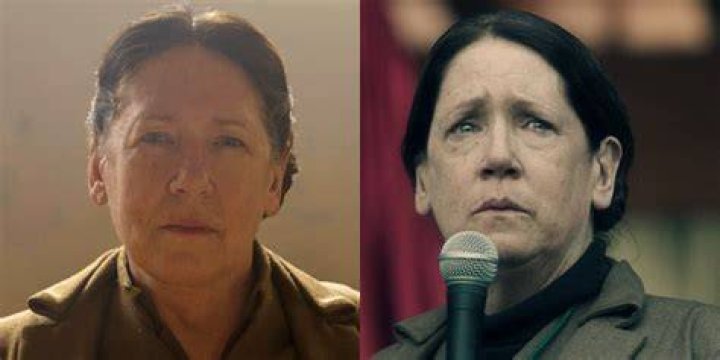
The Handmaid’s Tale is a pretty dark and dystopic show, and the routine dreadful behavior of Aunt Lydia only enhances the misery. Lydia Clements, a religious school teacher turned theocrat, has been an important part of the series since the first episode. However, the show hasn't offered an enormous amount of insight as to how Lydia became who she is now.
The season 3 episode "Unfit" finally gave viewers a look into Lydia's past, showing a bit of her pre-Gilead experiences through her own eyes. Aunt Lydia is undoubtedly one of the most interesting characters in the series, but some of these details about this brutal handmaid wrangler are easy to miss.
Updated December 22nd, 2021 by Hilary Elizabeth: The Handmaid's Tale is a story full of characters who are constantly changing and evolving, and that includes the iconic Aunt, Lydia Clements. So it's important to reflect the current state of Aunt Lydia's characterization, as well as where her arc might go in the future according to Margaret Atwood's sequel book, The Testaments.
She's Unpopular Despite Her Power
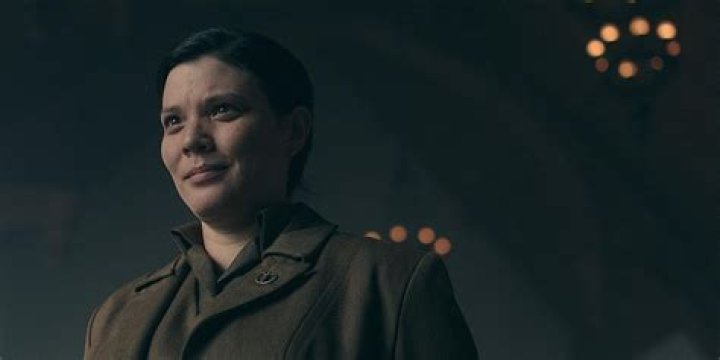
The Handmaid's Tale has never been shy about making it clear how disliked Aunt Lydia is among the handmaids and even among the commanders and their wives, but it did come as a surprise to see how unpopular she was among the other Aunts as well.
Aunt Lydia might be high-ranking in terms of her legal status, but it's clear that her coworkers have very little appreciation for her, and she seems to be universally disliked in Gilead's society. It will be interesting to see if that ever comes into play later on in the series.
Lydia Was A Family Court Lawyer Before Gilead

Long before Gilead took control of the United States, Lydia Clements used to be a family lawyer. In the episode “Unfit”, it was shown that prior to becoming a fourth-grade school teacher, she used to practice family law before the privatization of the industry.
She explained that when she used to practice, the work was really frustrating, as she could not help as many children as they wanted to, which possibly meant that separating children from their parents and handing them over to foster care was not as easy then.
She Has A Failed Marriage
Aunt Lydia was married long before Gilead, but according to her, it was a mistake. She believes she married the wrong person. Considering how insecure Aunt Lydia is and how she enjoys torturing and finding scapegoats, it's not hard to imagine what might have happened between them and who might have been the toxic one in the relationship.
Lydia admits to Noelle that she had been married before and that the relationship ultimately failed. It would be fascinating to have a closer look into that experience though, as Lydia's status within Gilead indicates that it couldn't have ended in a simple but "sinful" divorce.
She's Too Good To Be Killed Off

While Emily stabbed the knife into Aunt Lydia's back, she was always destined to defy death, as it was Margaret Atwood’s demand. In an interview with ITV, Ann Dowd said that the author told the showrunners to let Lydia survive, saying that she is too good of a character to be killed off.
While Aunt Lydia is a constant source of torture, she has also been a very fascinating character consistently, with glimpses of her vulnerability and affection towards the handmaids peeking through the violence and ruthlessness she always indulges in. And given how masterful Dowd's performance has been, it comes as no surprise that the series kept her around.
Her Future According To The Books Is Shocking
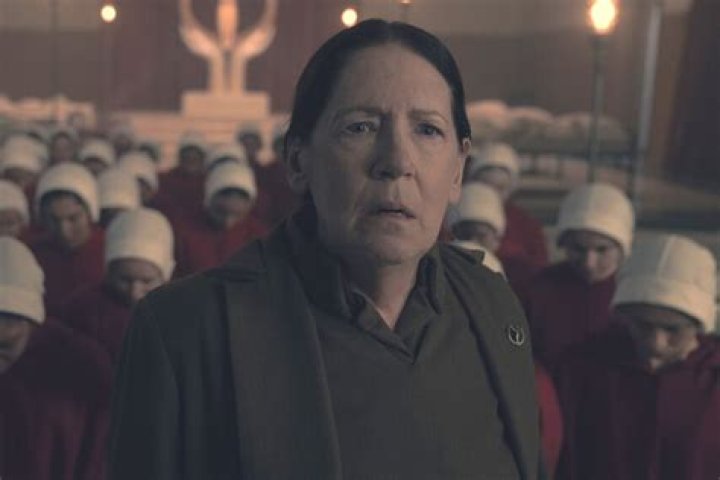
Although Margaret Atwood told the show's writers that Aunt Lydia was simply too good to get rid of, it's possible that she just didn't want to spoil a big twist in her sequel book, The Testaments. Because not only does Lydia play a large role in the book itself, but her character arc is pretty surprising.
Despite seeming to be a true believer at the start of the story (at least in June's eyes, indicating that she might not always be a reliable narrator), Lydia is actually a part of Mayday, working against Gilead in the long game.
She's Close To Turning On Gilead
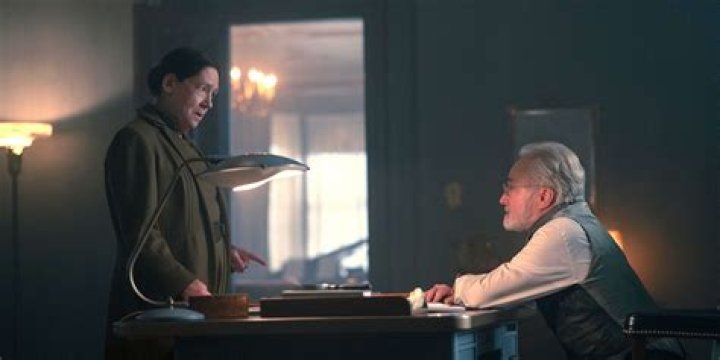
Although Aunt Lydia's defection to Mayday is still an unexpected twist in her character development, it would have been even more surprising earlier on in The Handmaid's Tale TV series.
However, lately, it seems obvious that she is dissatisfied with the way that Gilead is functioning, and she even seems to be actively working against some people in power now. Lydia is still far from the rebel that June has become, but it seems like the show is working towards making Lydia into the character readers see in The Testaments.
The Driving Force Behind Her Violence
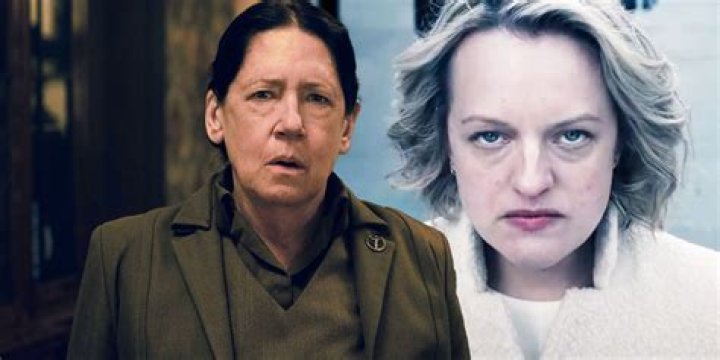
After being stabbed by Emily in season 2, Aunt Lydia goes to visit June at Lawrence’s house. She wants to visit June’s room to ensure everything is alright, which is ironically what she was doing with Emily right before getting stabbed.
She obviously is struggling to walk upstairs in her condition, and when June offers to help, Lydia lashes out and attacks her with a taser. While she gives a make-do reason about her gossiping at Loaves and Fishes, the real reason might be that she fears being seen as helpless, as it could negatively affect her position in the ever-tenuous Gilead social structure.
She Might Be Lying About Crimes And Punishments
Although this is only a significant plot point in the book, interestingly, Ofglen recognizes a Guardian who is being Salvaged in a Particicution as a Mayday rebel. However, he is ostensibly being killed for the crime of raping a pregnant handmaid who then lost her baby as a result.
Ofglen's connection to this man isn't included in the TV series, but the fact that this incredibly specific crime and punishment was written into the show, it's a hint that Aunt Lydia quite possibly isn't being honest about what these people are being executed for.
She Likely Knows The Parentage Of Gilead's Children
This is yet another world-building aspect that was clarified in the sequel book to The Handmaid's Tale, The Testaments, but it provides an interesting insight into Lydia and the rest of the Aunts.
Although children are considered to be the legal offspring of certain commanders and wives, the Aunts actually know who the real parents of these kids are. Given how few people in Gilead are capable of procreating, the Aunts clandestinely keep track of the children's true biological lineage to ensure that no one winds up married to their genetic relatives in future generations.
NEXT: 10 Times The Handmaid's Tale's Serena Joy Waterford Was The Worst Person On Earth