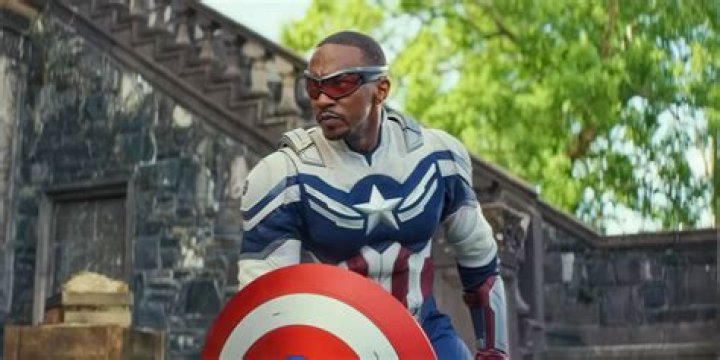
Captain America's name is so iconic that dozens of superheroes are named after him - but his first name almost went in a very different direction.
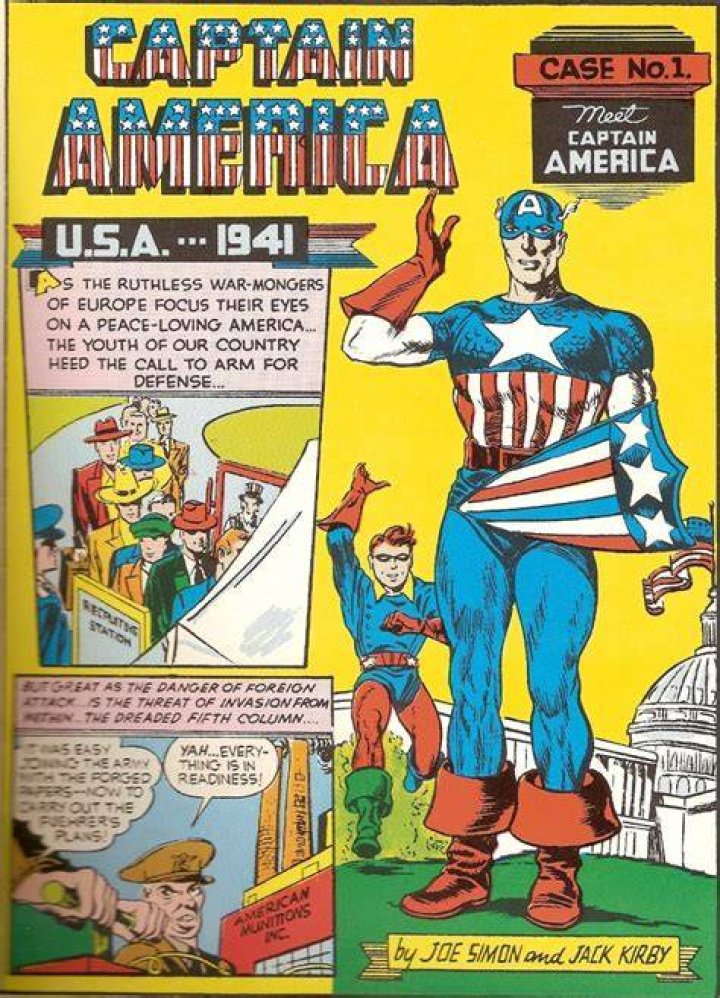
Every aspect surrounding the character of Captain America is iconic - from his shield to his uniform to his Golden Age-inspired optimistic attitude - but his name, while no exception to the rule, could have been quite different had the writers decided to use the original version. Created in a time before the rise and eventual dominance of Marvel Comics, Steve Rogers would become a symbol of hope and patriotism to American soldiers fighting on both fronts of World War II. But writer Joe Simon admits in his autobiography that the name "Captain America" was not his first choice for the superhero.
The creation of Captain America is just as inspiring a tale as any mission he would undertake during the war. Joe Simon and Jack Kirby, two Jewish artists, were frustrated with America's steadfast determination to avoid a war, even as their fellow Jews were being rounded up and exterminated by Hitler and his Nazi regime. Thus, Captain America was created, the product of Jewish science (Dr. Joseph Reinstein, later Abraham Erskine to hammer the point home) on a Jewish mission: to take the fight to Hitler. The first issue memorably debuted in March of 1941: months before the Japanese attack on Pearl Harbor on December 7th of that year. Simon and Kirby even received death threats from American sympathizers to the Nazi war machine - but come December 7th, those threats suddenly disappeared.
In Simon's autobiography entitled The Comic Book Makers, the writer reveals he initially envisioned a different name for Steve Rogers: Super American. "I wrote the name 'Super American' at the bottom of the page," recalls Simon. "No, that didn't work. There were too many 'supers' around. 'Captain America' had a good sound to it...there weren't a lot of captains in comics. It was as easy as that." Simon was right: plenty of heroes with the 'super' prefix were fighting crime, including Superman, the most famous hero during the era.

Simon's decision, interestingly enough, led to a massive influx of superheroes with the 'Captain' prefix instead. Captain Battle, Captain Flag, Captain Freedom and more would grace comic covers (and nearly all of them maintained the same patriotic theme and red, white and blue color scheme). Captain America cemented Steve Rogers as a military hero first and foremost, forever tied with the government of the United States. This made Captain America a political hero from Day 1, and his stories would delve into controversial subject matter most other heroes (and their writers) wouldn't even consider covering.
Simon's concerns about the proliferation of the 'super' prefix would be prophetic, as a character named Super-American was indeed created in 1941...and he only appeared in three issues. No doubt the American readership was tired of 'supers', not to mention Captain America copycats. But Captain America endured in a way that most other patriotic Golden Age heroes did not, and the man (and the name) are just as popular today as he was in 1941.
Next: Two Marvel Comics Icons Can Never Be Updated For Modern Times