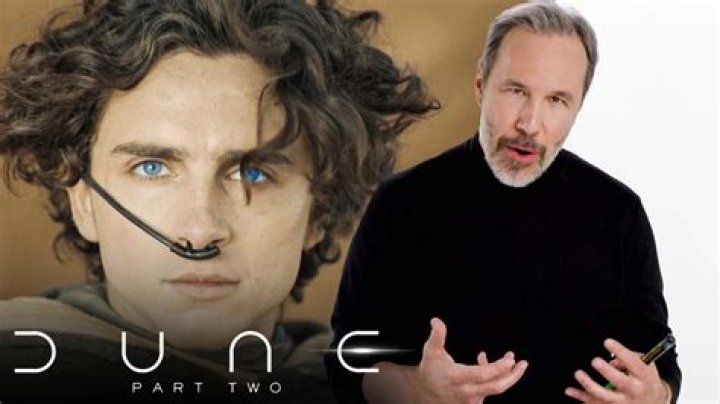
The second part to Denis Villeneuve’s Dune is expected to release in 2023, and it has already avoided two errors that have commonly plagued sequels.
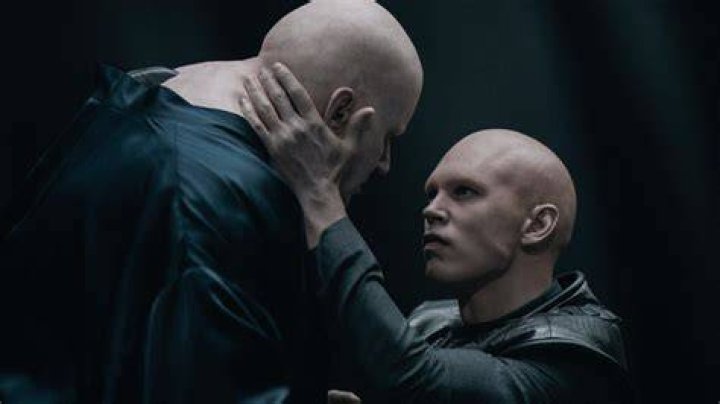
Dune 2, stylized Dune: Part Two, has already avoided two common sequel mistakes ahead of its expected release in 2023. The initial movie’s success is a credit to director and co-writer Denis Villeneuve in creating a coherent and thoroughly engaging adaptation of Frank Herbert’s sprawling sci-fi novel. Dune’s declaration that “this is only the beginning” indicates the story will escalate in the film’s sequel, and Dune 2’s production suggests this escalation could be to great effect.
Dune 2 will release in a time where cinema has become dominated by sequels and franchises, leading to criticism from leading figures in the industry. Most notably, Martin Scorsese condemned Marvel movies in an interview with Empire, claiming they are “not cinema.” Scorsese later explained his comments in an op-ed for The New York Times, stating that he felt these franchise films lacked “risk” and they are “sequels in name but they are remakes in spirit.” In the article, Scorsese gestures to some qualities of franchise films but makes a compelling argument on the impact their market dominance has on, for example, independent theaters.
Interestingly, Villeneuve himself weighed in on the conversation during an interview with the Spanish newspaper El Mundo. Villeneuve referred to the repetitive output of franchises such as Marvel, essentially perceiving many of them as “cut and paste” movies. While his comments can be interpreted as broad and dismissive, his work for a Dune 2 movie certainly represents a respectable structure for continuing Dune’s story. Dune 2 has avoided two production tendencies that often dilute cinematic sequels: firstly, the film is pre-planned rather than responsively studio mandated, and secondly, its story is likely to have a risky narrative, not simply relying on what made the original movie popular.

Herbert’s novel is notoriously difficult to visualize, with Alejandro Jodorowsky’s unmade adaptation expected to have spanned 14 hours, and David Lynch’s 1984 version condensed into 137 minutes but consequentially choppy and often lacking sensibility. 2021’s Dune displaces some of the mystery of Lynch’s adaptation in favor of lucidity, picturing only half of Herbert’s story. Villeneuve’s adaptation is not intended to be forced into a singular film, and so Dune’s sequel is not only pre-planned but essential. Dune 2 is the second part of the story, rather than a follow-up film conceived as an afterthought based on Dune’s box office success, as is often the case in modern cinema.
Dune 2 represents proper handling of an intricate and expansive text. The sequel will build upon Dune’s story, rather than simply exploit its success. Likewise, Villeneuve’s respect for Herbert’s work indicates he will take risks with Dune 2’s narrative, despite many sequels often utilizing safe storylines that ride on their original movie’s success. Dune concluded with Paul’s integration into "Sietch Tabr," a Fremen community, and Dune 2 will explore his rise to become the "Lisan al Gaib," an off-world messiah to the Fremen. This part of Herbert’s story anticipates a darker, stranger narrative, compared to the realism of Villeneuve’s initial Dune movie.
Dune 2 seems like a sequel bound to impress as much as the original movie. Admittedly, there are many instances of sequels that lived up to the promise of their cinematic predecessors, for example, The Godfather: Part II or, modernly, Christopher Nolan’s The Dark Knight. Villeneuve has even directed a successful follow-up himself in Blade Runner 2049. Whether Villeneuve’s Dune sequel will be successful or not remains to be seen but, prospectively at least, Dune 2 is a positive deviation from the common sequel trend of modern cinema.
Next: How Many Dune Movies Will There Be? Every Possible Sequel & Spinoff