Doctor Who has been played by a crop of fantastic actors going back several decades, and each version has been both unique and memorable.
Summary
- Ncuti Gatwa is the first full-time Black Doctor in Doctor Who's history, bringing a unique stamp to the iconic role.
- Each actor who portrays the Doctor has a unique take on the character, defining the show during their time in the role.
- The First Doctor, William Hartnell, set the template for all future Doctors with his no-nonsense personality and dry wit.
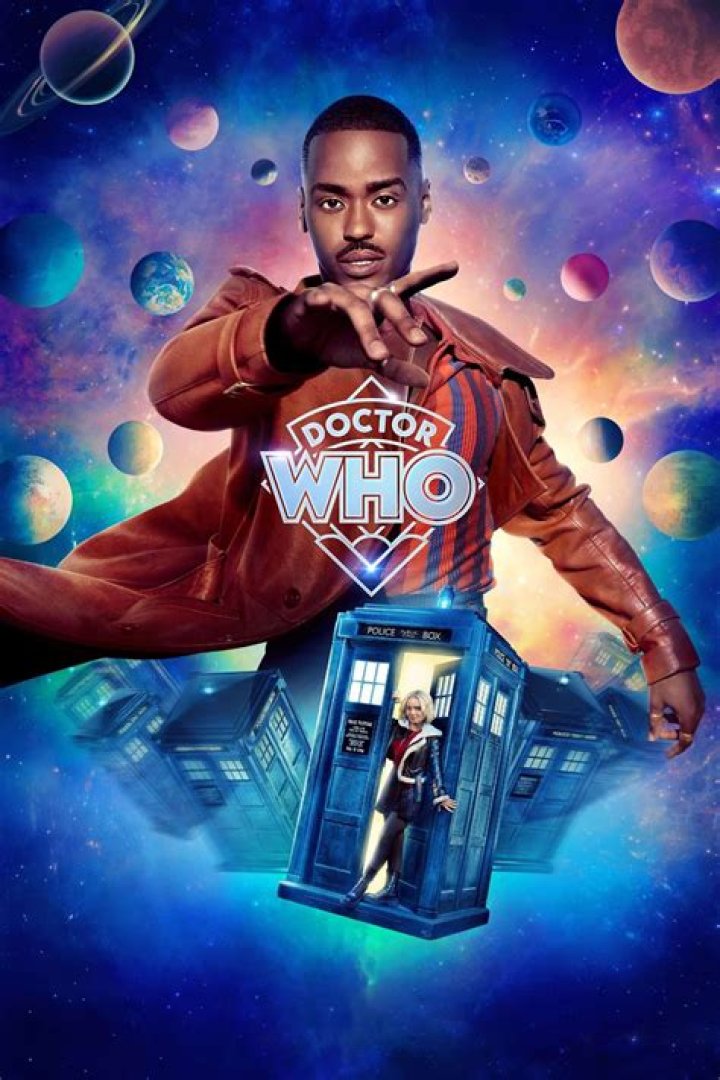
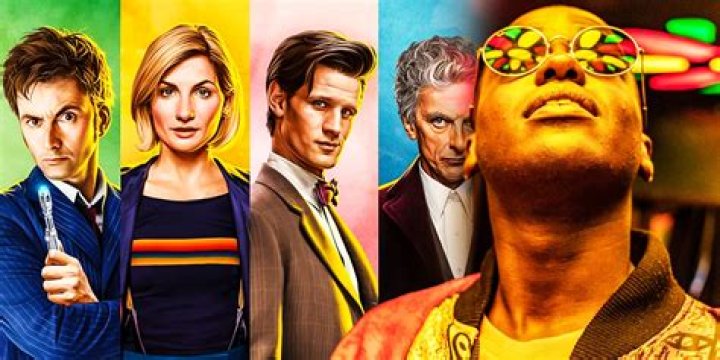
Doctor Who has remained a staple of British sci-fi TV for six decades, and examining its rotating cast of charismatic Doctor Who doctors in order reveals exactly why. After the likes of Tom Baker, David Tennant, Jon Pertwee, Matt Smith, and many others made the role iconic, Sex Education's Ncuti Gatwa has stepped into the role as the Fourteenth Doctor in Doctor Who season 14 and beyond. Starring as the new Doctor after David Tennant's Fourteenth Doctor regenerated, Gatwa is also the first full-time Black Doctor in the show's extensive run on TV screens.
Including the various non-numerical versions like John Hurt's War Doctor, Ncuti Gatwa is the 18th actor to be cast as one of the Doctor's many regenerations, not counting the Timeless Child's fleeting appearances. Each actor has a unique take on the character which defines the show while they're in the role. After his standout performance as Eric Effiong in Sex Education, Gatwa brings plenty to the Doctor Who cast, and because each version of the Doctor is different, will have ample opportunity to put his unique stamp on this iconic and well-storied time traveler.
Why Each Doctor Regenerated In Doctor Who
Doctor Who's titular Time Lord has regenerated many times over the years, but the process has been triggered by a wide array of injuries.18 The First Doctor - William Hartnell (1963-1966), Richard Hurndall (1983) & David Bradley (2017-)
Main run: 134 episodes, Doctor Who seasons 1-4
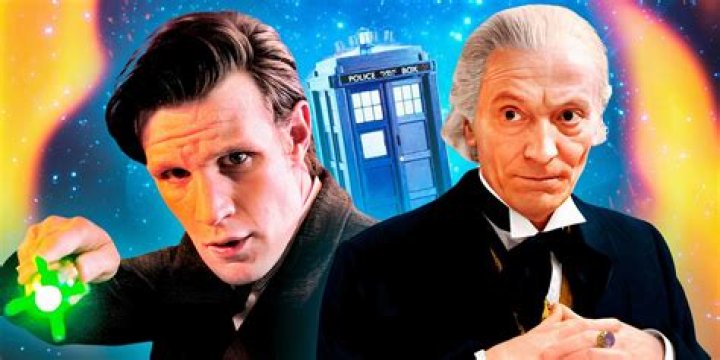
The First Doctor kick-started the entire series in 1963. He also remains one of the few regenerations of the Doctor that has traveled with another Time Lord - the Doctor's granddaughter, Susan. William Hartnell played the First Doctor, and his no-nonsense personality and dry wit made him different from the regenerations that came after. Unlike other Doctors, Hartnell's iteration was strikingly stern toward humans, albeit able to exude a warmer side when required. Hartnell's brilliant and commanding presence created the template that all Doctor Who Doctors after him have followed in one way or another.
After William Hartnell left Doctor Who, he made a small appearance in the show's first multi-Doctor story, "The Three Doctors," in 1973, before passing away two years later. The First Doctor was recast for 1983's "The Five Doctors," with Richard Hurndall taking on the iconic gig. The First Doctor next appeared in 2017's "Twice Upon A Time," this time played by Harry Potter actor David Bradley, who had previously acted as William Hartnell in Doctor Who biographical drama An Adventure in Space & Time. Bradley's First Doctor reemerged in 2022's "The Power of the Doctor," and could potentially make further appearances as Doctor Who's latest First Doctor.
17 The Second Doctor - Patrick Troughton (1966-1969)
Main run: 118 episodes, Doctor Who seasons 4-6
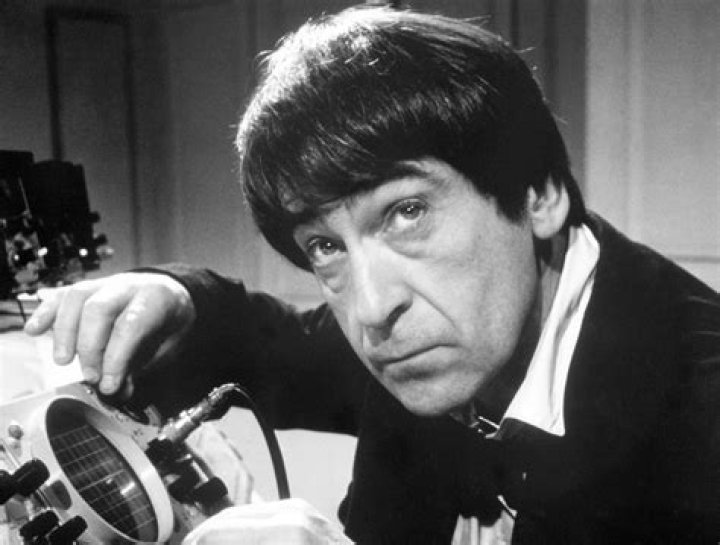
Nothing lasts forever, and Doctor Who is no exception. When William Hartnell had to leave Doctor Who, the Doctor regenerated and changed into Patrick Troughton. Aside from the new face, Troughton's Doctor also started the tradition of each version bearing a different personality compared to previous regenerations. The Second Doctor was much more relaxed, clownish, and had a strong sense of humor. Troughton also gave the show a more modern edge, adding a levity that the First Doctor did not possess. The actor returned to Doctor Who for "The Three Doctors," "The Five Doctors," and 1985's "The Two Doctors."
16 The Third Doctor - Jon Pertwee (1970-1974)
Main run: 128 episodes, Doctor Who seasons 7-11
Appearing for the first time in color, the Third Doctor kicked his way onto TV screens with elan. Jon Pertwee's Doctor was not only stylish and elegant, but also something of an expert in martial arts. In another departure from his predecessors, this Doctor spent most of his time on Earth after he was exiled by the Time Lords, and worked with the Doctor Who organization UNIT as a scientific advisor. The Third Doctor was also the first to clash with soon-to-be-iconic villain the Master, and made his only Doctor Who comeback - driving Bessie, no less - in "The Five Doctors."
15 The Fourth Doctor - Tom Baker (1974-1981)
Main run: 172 episodes, Doctor Who seasons 12-18
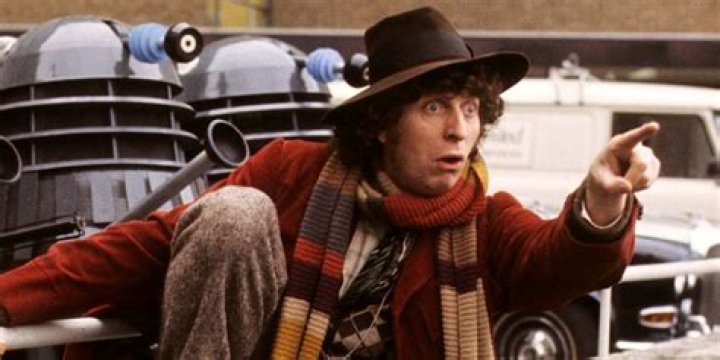
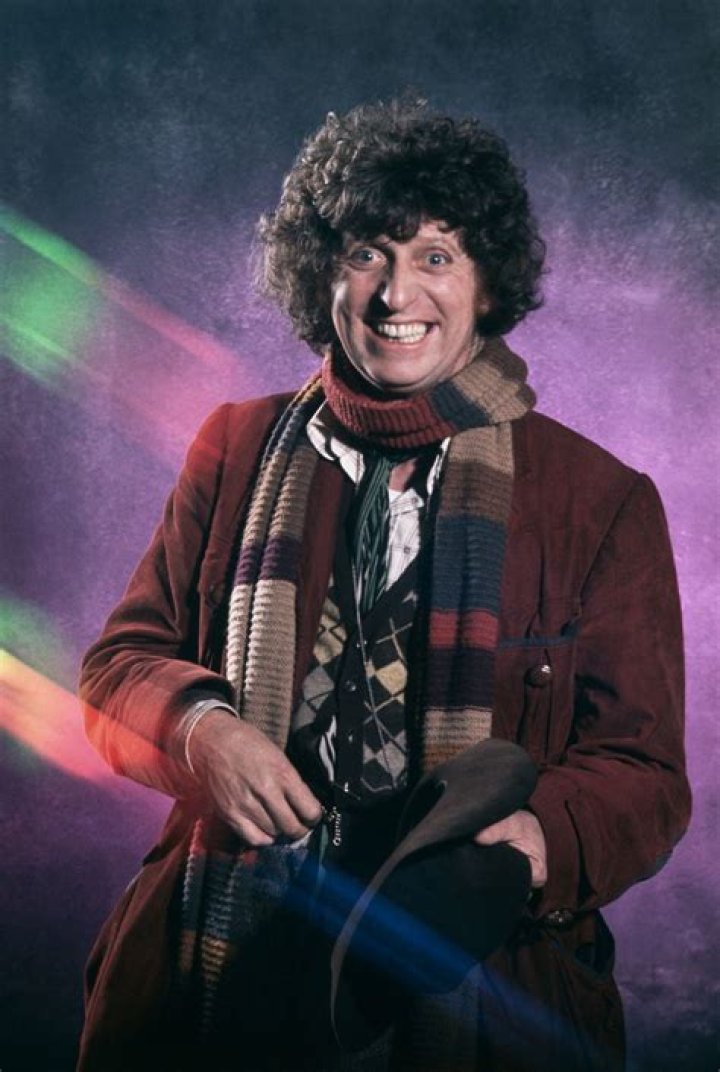
Even in the modern era of Doctor Who, Tom Baker's regeneration of the Doctor remains one of the most famous. Tom Baker played the Doctor for seven seasons, which not only set a new record for longevity in the role, but also gave the audience enough time to know his Doctor intimately. Whereas the Third Doctor would use wit and Venusian aikido to battle his foes, the Fourth Doctor was more eccentric, even offering Jelly Babies to his enemies.
Tom Baker's era marked the first time Doctor Who aired in the USA, and helped the sci-fi institution reach new heights. Although Tom Baker would not return for any multi-Doctor adventures, he did eventually feature as the mysterious Curator in 2013's 50th anniversary special "The Day of the Doctor." The exact nature of the Curator is left deliberately unclear, although is heavily implied to be some version of the Doctor, whether that be a future regeneration or the Fourth Doctor's bi-generation.
14 The Fifth Doctor - Peter Davison (1982-1984)
Main run: 69 episodes, Doctor Who seasons 19-21
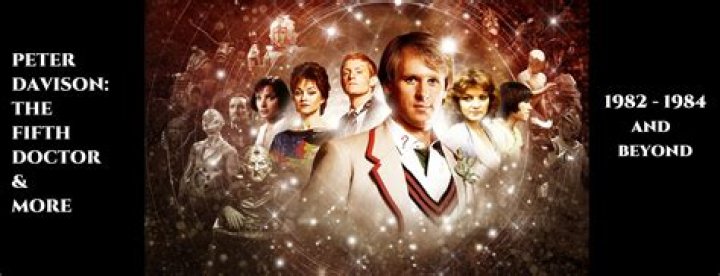
Long before Matt Smith arrived in Doctor Who, Peter Davison was the youngest actor to play the Doctor. Davison started playing the Fifth Doctor when he was just 29 years old, setting him apart from previous regenerations. The Fifth Doctor was different from his predecessors, coming across as notably more quiet and subdued, and preferring to think things through rather than heedlessly throwing himself into danger. Davison was also the first Doctor to regenerate by sacrificing his life to save a companion, preventing Peri's death in Doctor Who season 21 of the original run. Aside from the non-canon "Time Crash" skit alongside son-in-law David Tennant, Peter Davison returned to Doctor Who for "The Power of the Doctor."
13 The Sixth Doctor - Colin Baker (1984-1986)
Main run: 31 episodes, Doctor Who seasons 21-23
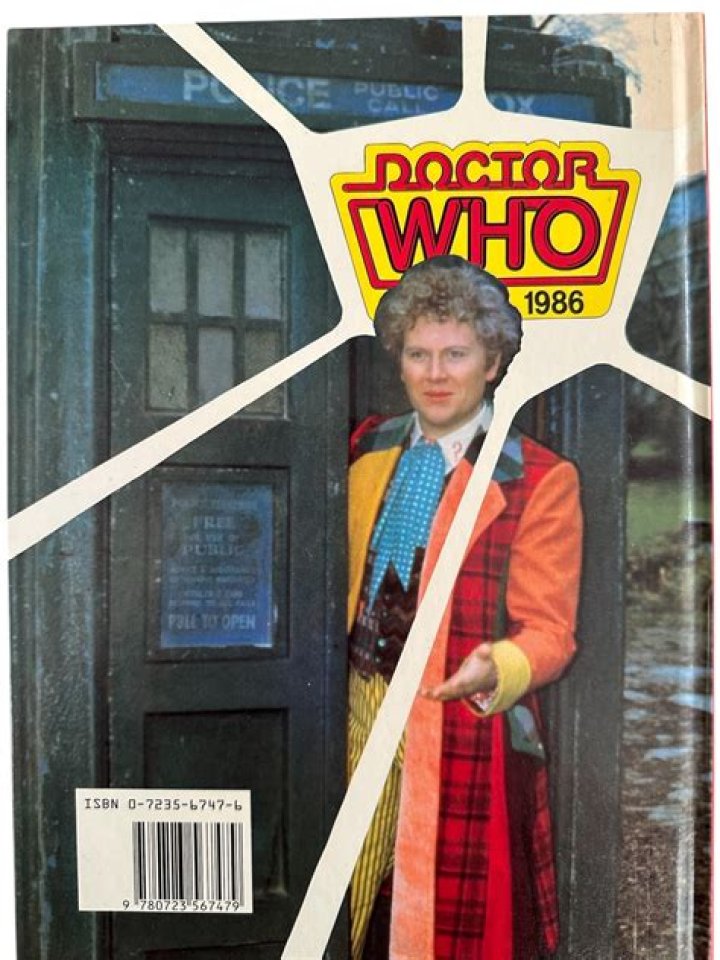
The Sixth Doctor's personality was, in many ways, similar to his style of clothing - loud, extravagant, and boisterous. As Doctor Who faced an uncertain future due to leadership changes at the BBC, Baker's Sixth Doctor cut a less forgiving figure than his predecessors. This incarnation was frequently cold toward companions, haughty in attitude, and - initially, at least - difficult to like. After Colin Baker left Doctor Who, the Sixth Doctor gained more popularity via a series of Doctor Who audio stories, and his characterization has been further improved by appearances in both Doctor Who's "The Power of the Doctor" episode and the Tales of the TARDIS spinoff.
12 The Seventh Doctor - Sylvester McCoy (1987-1989)
Main run: 42 episodes, Doctor Who seasons 24-26
The Seventh Doctor was complicated and full of contradictions. He represented himself as a funny figure with a keen sense of humor, but at the same time was also brilliantly calculating - something he hid from his enemies, and even from his friends. McCoy returned the Doctor to a more lighthearted and quirky personality, and this offered fans the welcome sanctuary of familiar ground after the more arrogant Sixth Doctor. Sylvester McCoy portrayed the Seventh Doctor for three seasons, and was the last Doctor before Doctor Who was canceled in 1989. McCoy has since returned in both "The Power of the Doctor" and Tales of the TARDIS.
11 The Eighth Doctor - Paul McGann (1996)
Appeared in the 1996 TV movie.
Doctor Who was gone for seven years after the BBC canceled the show. When it returned, the half-human Eighth Doctor never got the chance to shine in his own seasons like other Doctors. More of a romantic figure closer to modern-day regenerations, Paul McGann's iteration appeared only in a TV movie that was supposed to kick-start a TV reboot, but failed to attract the attention needed. Luckily, McGann returned to his role in multiple Doctor Who audio stories and finally reappeared in live-action for 2013 short film The Night of the Doctor. Most recently, the Eighth Doctor featured in Jodie Whittaker regeneration episode "The Power of the Doctor."
10 The Ninth Doctor - Christopher Eccleston (2005)
Main run: 13 episodes, Doctor Who season 1 (modern era)
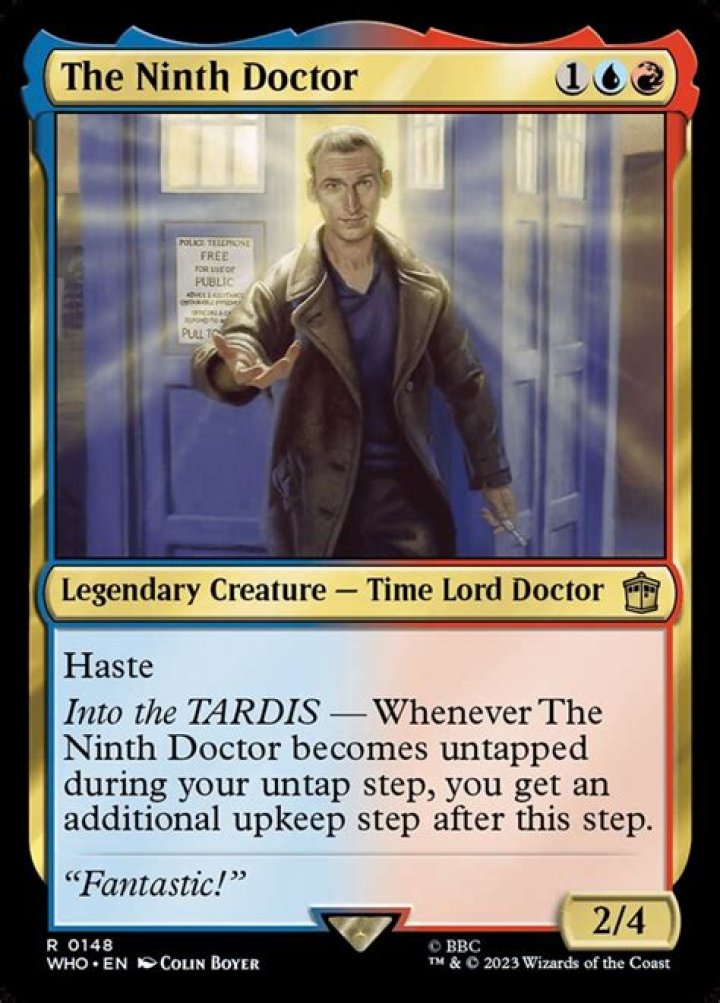
The Ninth Doctor, portrayed by Christopher Eccleston, started the renewed Doctor Who, and even though the actor only played the Time Lord for a single season, he still left his mark. Eccleston's Doctor was somewhat cynical and jaded as a consequence of the recent Time War against the Daleks and the enormous losses he suffered. Nevertheless, the Ninth Doctor's friendship with Rose helped him to see the world differently. After dealing with survivor's guilt due to his actions in the war, history repeated itself. Like the Fifth Doctor, the Ninth Doctor sacrificed himself to save his companion. While Eccleston has appeared in Doctor Who audio stories, he has not yet returned to the TV show.
9 The Tenth Doctor - David Tennant (2005-2010)
Main run: 47 episodes, Doctor Who seasons 2-4 (modern era)
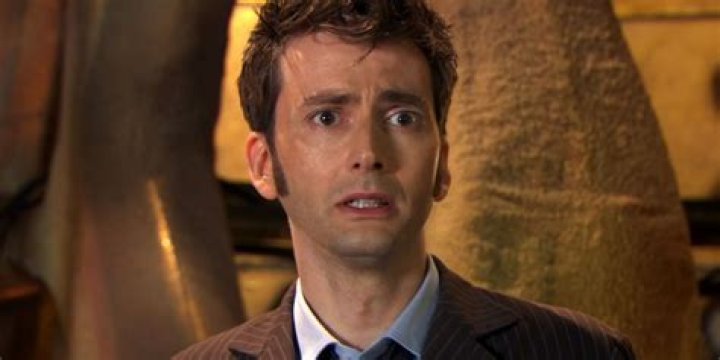
Played by David Tennant, the Tenth Doctor remains one of the most popular Doctors in the franchise's long history. Charming and funny, the Tenth Doctor also had a darker side that emerged after he lost Rose, then evolved into the dangerous Time Lord Victorious. Tennant's Doctor was never afraid to charge into danger, and always seemed to thrive when facing enemies. This was the Doctor that introduced a new generation of fans to Doctor Who, and his one-liners and human characteristics made him both instantly relatable and quirky. Following the Tenth Doctor's regeneration, Tennant joined his successor, Matt Smith, for 50th anniversary special "The Day of the Doctor."
1 episode, Doctor Who season 4 (modern era)

Even though the Meta-Crisis Doctor was not technically a Time Lord, he still remains a Doctor, and used up one of the Time Lord's allotted regenerations. The Meta-Crisis Doctor was a human version of the Tenth Doctor grown from the Doctor's severed hand, combining his and Donna Noble's genes together. Instead of traveling in the TARDIS, the Meta-Crisis Doctor went to live with Rose Tyler in a parallel universe, and they became a romantic couple. Despite keeping the Doctor's memories, intellect, and personality, the Meta-Crisis Doctor only had a single heart and had no ability to regenerate.
7 The Eleventh Doctor - Matt Smith (2010-2013)
Main run: 45 episodes, Doctor Who seasons 5-7 (modern era)
The Eleventh Doctor was the youngest yet - appearance-wise, at least - and those boyish looks were somewhat reflected in his personality. Matt Smith's incarnation was cheerful, geeky, and often awkward when dealing with other people, but also had a heart of gold and was fiercely loyal to the few people he considered friends. Eleven would go to the ends of the Earth - quite literally, in some cases - to protect the Ponds, but the most impressive aspect of Matt Smith's Eleventh Doctor was how he followed the popular David Tennant and was still able to hold his own, bringing Doctor Who to an ever wider audience.
6 The War Doctor - John Hurt (2013)
2 episodes - "The Name of the Doctor" and "The Day of the Doctor"
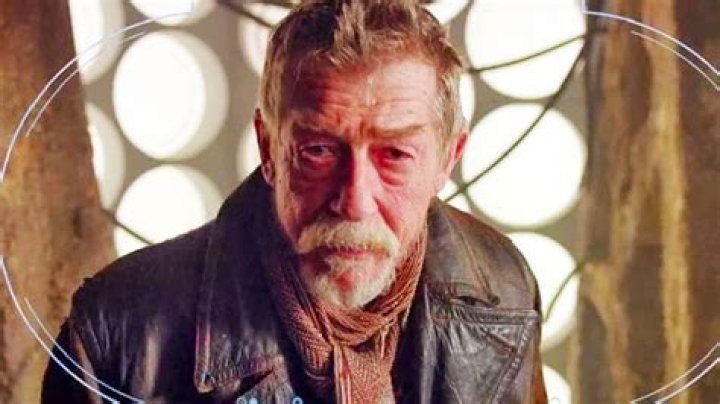
The late John Hurt portrayed the War Doctor - a regeneration of the Doctor whose existence was previously hidden. Regenerating from the Eighth Doctor, this version refused to call himself "the Doctor" because he finally resolved to fight in the Time War after avoiding the conflict for so long. Although the War Doctor succeeded in stopping the Time War, he had to commit unspeakable acts along the way, leaving him disillusioned and distant. The War Doctor's successors shunned his very existence, but following the events of "The Day of the Doctor" and the twist of Gallifrey's survival, the Doctor learned to accept his "War" persona.
5 The Twelfth Doctor - Peter Capaldi (2014-2017)
Main run: 40 episodes, Doctor Who seasons 8-10 (modern era)
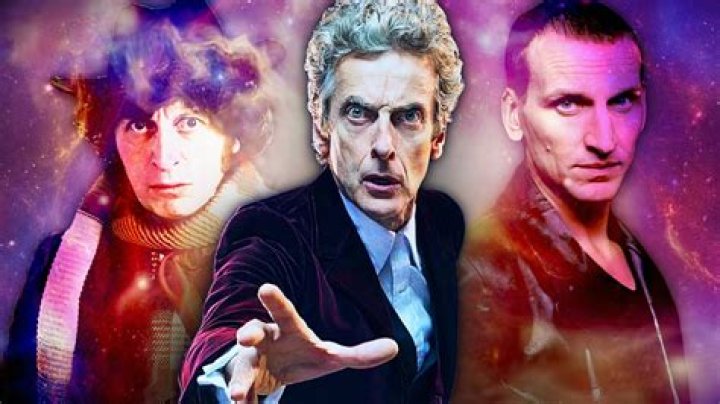
The Doctor Who doctors in order saw the franchise go from the youngest iteration to one of the oldest. Peter Capaldi was the same age (55) as William Hartnell when he started playing the Doctor. The Twelfth Doctor was not only visibly grayer than his previous regeneration, but also more conflicted, working hard to discover who he was as a person, whether he was truly good, and why he looked like that guy from Pompeii. At the same time, Capaldi's Twelfth Doctor found time for humor and built strong friendships with companions Clara and Bill. Twelve had a more eclectic personality, with a love for playing guitar and a refreshingly brutal attitude toward social etiquette.
4 The Thirteenth Doctor - Jodie Whittaker (2018-2022)
Main run: 29 episodes, Doctor Who seasons 11-13 (modern era)
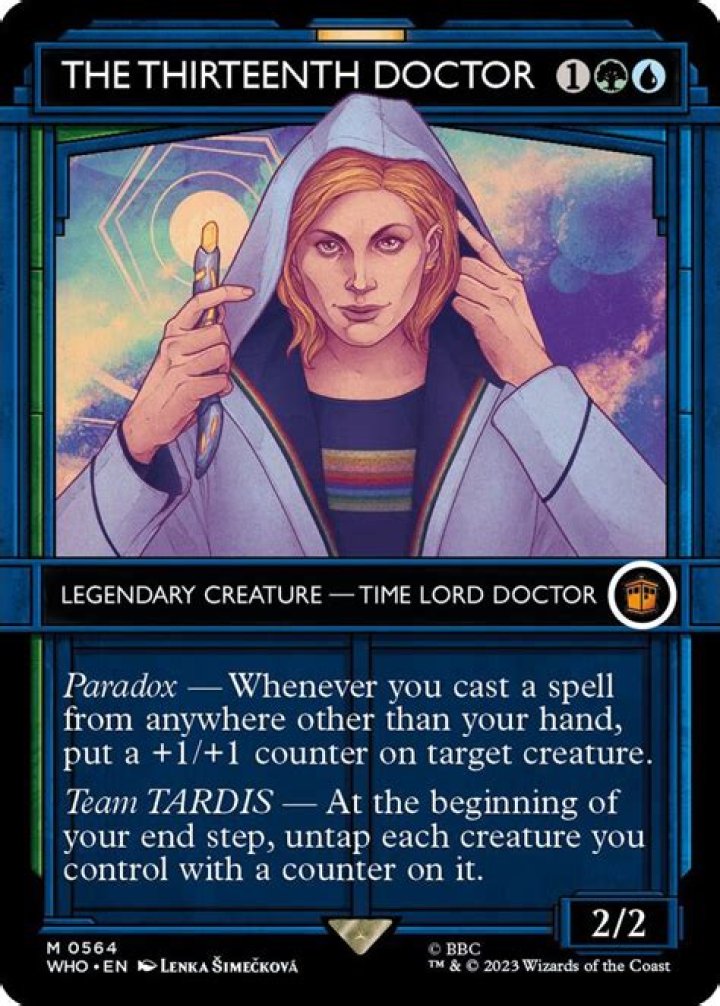
Jodie Whittaker made history as the first TV canon portrayal of the Doctor as a female character. The most open, human, and friendly incarnation since Peter Davison's Fifth Doctor, Thirteen enjoyed close bonds with her "Fam" of Graham, Yaz, Ryan, and Dan, and even developed a romantic attachment to Yaz. Jodie Whittaker's tenure was defined by Doctor Who's Timeless Child twist, in which the Doctor shockingly discovered they were not a Time Lord from Gallifrey, and had actually arrived by accident from some other unknown universe before being used as the foundation of Time Lord society and having their memory wiped.
3 The Fourteenth Doctor - David Tennant (2022-)
Main run: 3 episodes, Doctor Who 60th anniversary specials
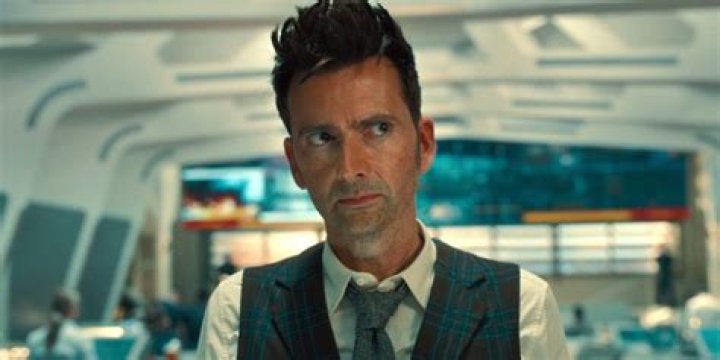
Not content with already playing two separate iterations in the Tenth and Meta-Crisis Doctors, David Tennant returned to Doctor Who as a third separate character, this time portraying the Fourteenth Doctor. Coinciding with Russell T Davies' return as showrunner, Doctor Who later explained that the familiar face was the Doctor's way of admitting they needed to slow down, and the Fourteenth Doctor ultimately did precisely that, living on Earth with the Noble family. This was only possible because the Doctor Who 60th anniversary specials allowed Fourteen to bi-generate instead of regenerate, splitting into two coexisting characters.
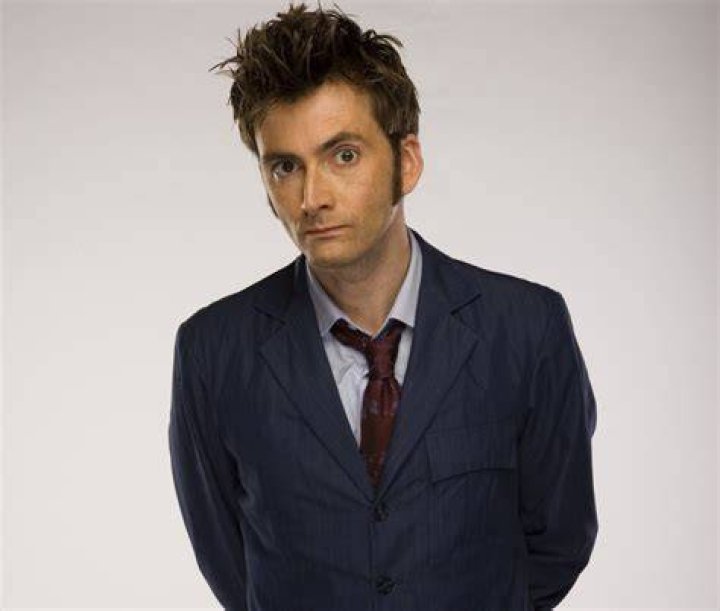
Doctor Who: What's Next For David Tennant After The 60th Anniversary Specials?
For the first time in Doctor Who history, two Doctors exist at once, and they both have a TARDIS! So what next for David Tennant's incarnation?2 The Fugitive Doctor - Jo Martin (2020-)
4 Doctor Who episodes between 2020 and 2022
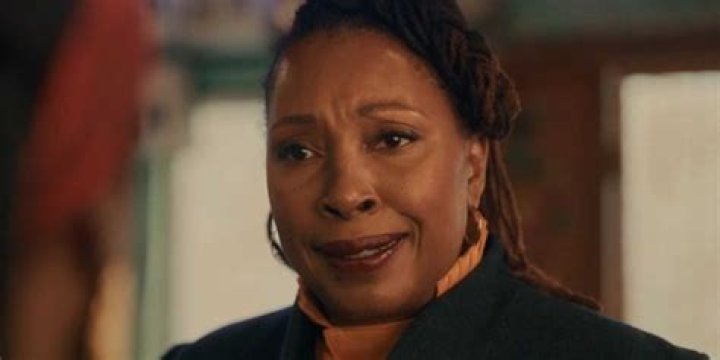
Alongside the Timeless Child reveal, Doctor Who season 12 introduced one of the many Doctors that had existed prior to William Hartnell's version. Jo Martin's Doctor had been working for, and attempting to escape, the clandestine Gallifreyan special-ops group known as the Division, and had used a chameleon arch to hide on Earth as "Ruth." Upon encountering the Thirteenth Doctor, however, Ruth uncovered her true self. Straight-talking and closer in personality and style to the first three Doctors, Jo Martin's so-called "Fugitive Doctor" remains largely mysterious, but has repeatedly intruded in Doctor Who's present timeline.
1 The Fifteenth Doctor - Ncuti Gatwa (2023-)
Confirmed for Doctor Who seasons 14 and 15
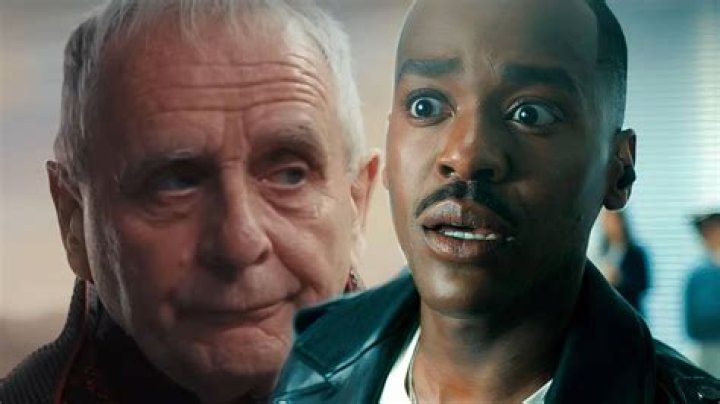
Ncuti Gatwa is the first Black actor to take up the mantle of the Doctor in a full-time capacity. Breaking even more new ground, Gatwa's Fifteenth Doctor is the first incarnation to emerge as the result of a bi-generation in Doctor Who, meaning the Fourteenth Doctor didn't die in order for the Fifteenth to be created. Debuting officially in Doctor Who 60th anniversary special "The Giggle," Ncuti Gatwa's first full Doctor Who episode was 2023 Christmas caper "The Church on Ruby Road." Fifteen will star in Doctor Who seasons 14 and 15 alongside companion Ruby Sunday, played by Millie Gibson. Strikingly modern, fabulously fashionable, and magically musical, Ncuti Gatwa's Doctor is as unique as he is enigmatic.