Lovecraft Country features several references and monsters from the stories of its namesake, H.P. Lovecraft. Here's each of them explained.
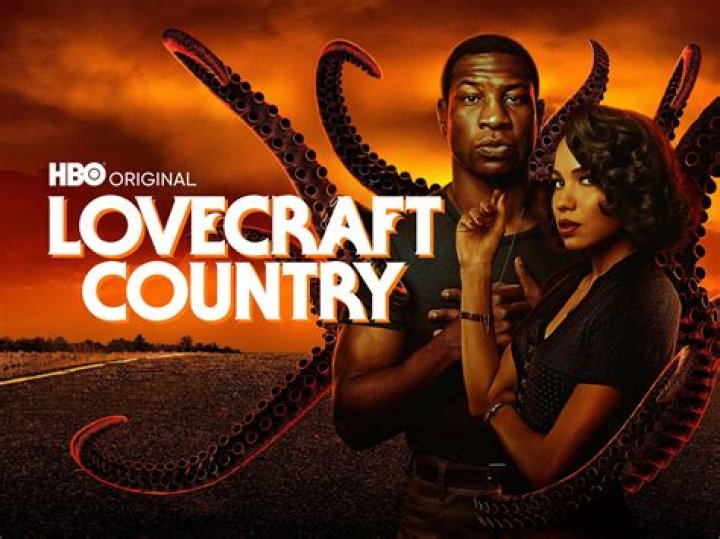
Misha Green's Lovecraft Country season 1 has officially come to an end with episode 10, "Full Circle," which means it is now the perfect time to look back and uncover all of the hidden, and not so hidden, references to the horror legend who lent his name to the title. Here's every H.P. Lovecraft reference and monster featured in the HBO series.
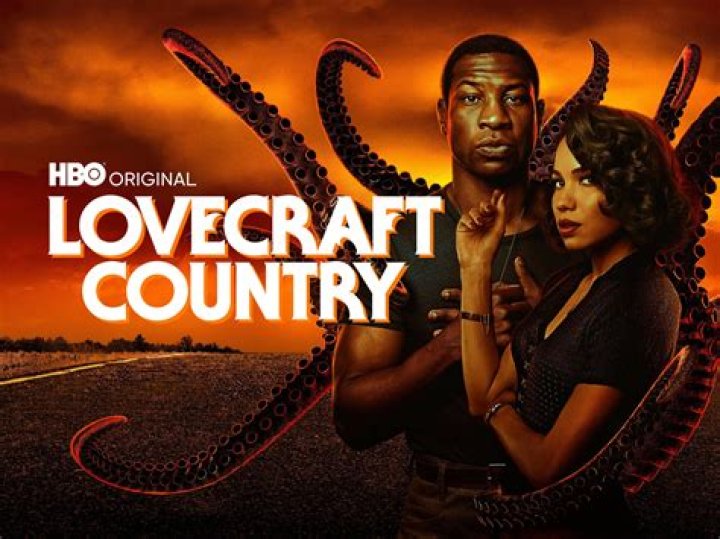
Lovecraft Country is adapted from Matt Ruff's 2016 novel of the same name. It follows Atticus Freeman (Jonathan Majors) and his journey through a world full of Lovecraftian monsters, Jim Crow era laws, racism, and alchemists. Along the way, Letitia "Leti" Lewis (Jurnee Smollett) and his father Montrose (Michael K. Williams) join him in fighting against Christina Braithwhite (Abbey Lee) and her ill-intentions to become immortal by sacrificing him. The series actively subverts the racism of the horror icon H.P. Lovecraft. The author was a known racist who named his cat after a racial slur and wrote an indescribably vile poem. By situating Black people as integral characters to a Lovecraftian story, it inherently subverts the author's racism, which was heinous to say the least.
The stories and monsters that influenced the creation of Lovecraft Country are taken from some of his most notable works as well as some that may be unheard of. Misha Green expertly utilizes them in order to use Lovecraft Country to highlight the importance of recognizing Black history, generational trauma, and the impact of racism on individuals, families, and communities. Throughout the entire series, Lovecraftian beasts, monsters, and people from the cosmos of his bigoted mind reveal themselves. Here's every H.P. Lovecraft reference and monster in Lovecraft Country.
Shoggoths
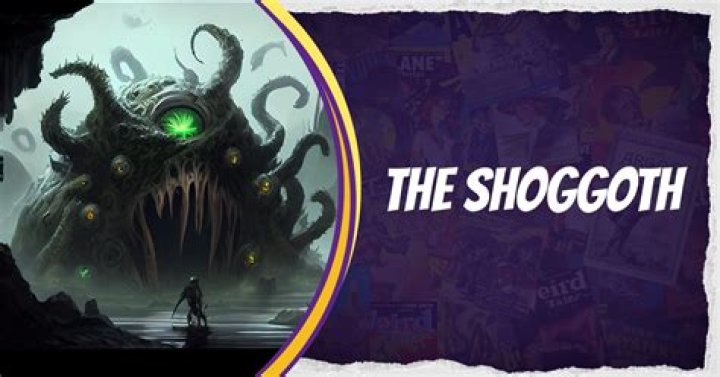
One of the first monsters that Atticus, Leti, and George face are the shoggoths in the woods of Ardham, Massachusetts. In episode 1, "Sundown," the trio is taken to the woods by the police but right before they are about to be shot, a monstrous creature saves them by dismembering their captors. The grayish-white shoggoth is owned by the Braithwhites, who belong to the Sons of Adam. It does not reappear until episode 8, "Jig-a-Bobo," when the police point a gun at Atticus. Right as the bullet leaves the chamber, a shoggoth appears to defend him except this one is black. It is meant to indicate that this is Atticus's shoggoth, entirely different from the Braithwhites.
In "Full Circle," the shoggoths have a showdown and Atticus takes Diana to Christina in order to destroy her for good as revenge for all of the harm she's done as well as killing her cousin. This Lovecraftian creature first appeared in a selection of the author's sonnets in 1929 and 1930, but they were not fully introduced until his 1931 novella At The Mountains Of Madness. They are a part of the Cthulhu mythos that encompass a large portion of Lovecraft's writing and monsters. The creator of the fictional book of the dead, the Necronomicon, Abdul Alhazred fears them but they are a lesser evil than the other Elder Gods in Lovecraftian mythos. It is shocking that they are one of the only two Elder Gods that make an appearance in Lovecraft Country, which may mean that greater evils are in store for season 2.
Cthulhu

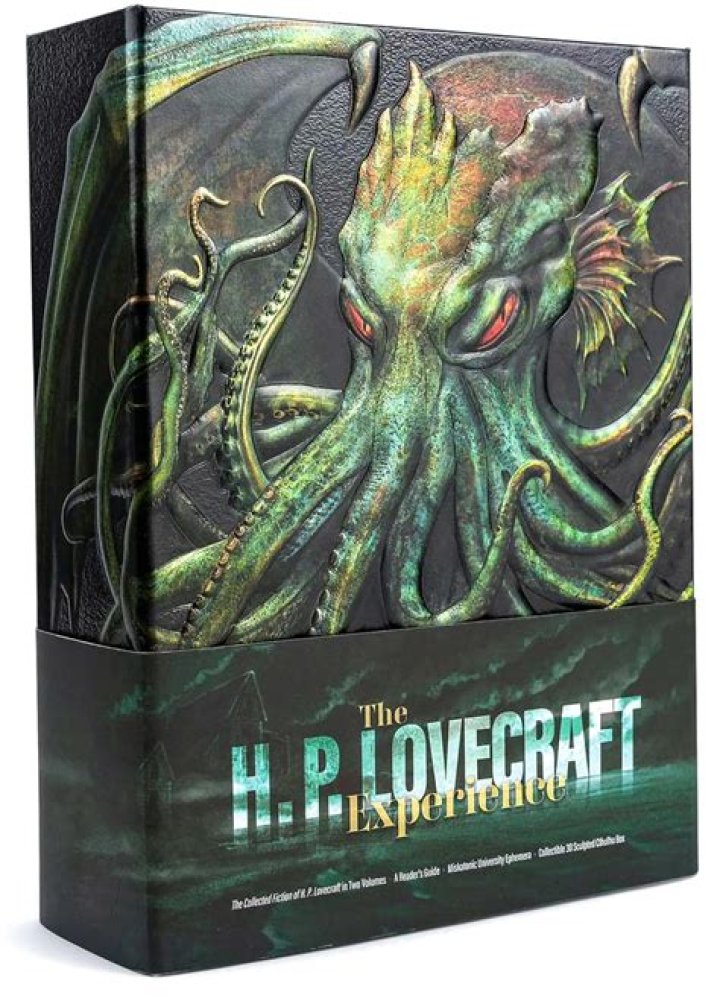
It wouldn't be a Lovecraftian form of media if Cthulhu didn't make an appearance. While the Elder God only makes a brief appearance, his strength is fully established after Jackie Robinson uses his baseball bat to slice through the beast only for it to reform moments later. The first mention of Cthulhu was in 1928 with the short story "The Call of Cthulhu." It is known as an indescribable evil but Lovecraft attempted to describe it. According to the author, the Elder God has an octopus head, a rubbery-body, claws, and wings.
Cthulhu resides in the depths of the South Pacific in the city of R'lyeh. The beast is referenced in several Lovecraftian works that create the Cthulhu mythos. In Lovecraft Country, it appears in a dream Atticus is having on the bus to Chicago, which indicates that a large and ancient evil is headed his way but the only way to defeat it is within himself. Cthulhu can be understood as a metaphor for the Braithwhites but it is entirely possible that the Elder God could make an appearance later in the series.
Arkham, Massachusetts
While the trio do not travel to Arkham, Massachusetts, it is mentioned in episode 1. Instead of Arkham, they go to Ardham in Devon County because, in Lovecraft Country, the lore written by the author is based on real places not named after them. In essence, Ardham is the real place that Lovecraft uses when he is describing Arkham, a fictional city that contains an abundance of horrors. In real-life, neither place exists but the series uses it as a clever way to allude to Lovecraft's lore being real and influenced by certain places and people.
Episode 4's Vault Door
This H.P. Lovecraft reference is one of the most well-hidden out of the entire series. In episode 4, "A History Of Violence," Atticus, Leti, and Montrose are looking for the vault that will allow them to get Titus's missing pages from the Book of Names. On a commemorative statue to the explorer and alchemist is a direct quote from Lovecraft but translated into Latin.
The exact quote translated to English is "the process of delving into the black abyss is, to me, the keenest form of fascination." The phrase comes from a collection of his letters written between 1929 and 1931, around the same time be was working on expanding the Cthulhu mythos. It is used in episode 4 of Lovecraft Country in order to signify that the trio will enter a world of darkness that will fascinate and horrify them.
Herbert West, The Re-Animator
When Arkham is first mentioned in the series, Atticus immediately states that it is the home of Herbert West of Lovecraft's 1922 "Herbert West - Reanimator." The story was adapted into a movie by Stuart Gordon in 1985 movie Re-Animator and stars Jeffrey Combs as the man who can bring the dead back to life. Atticus references the man in order to emphasize just how dangerous Arkham truly is and all of the horrors held within it.
The Outsiders & Others
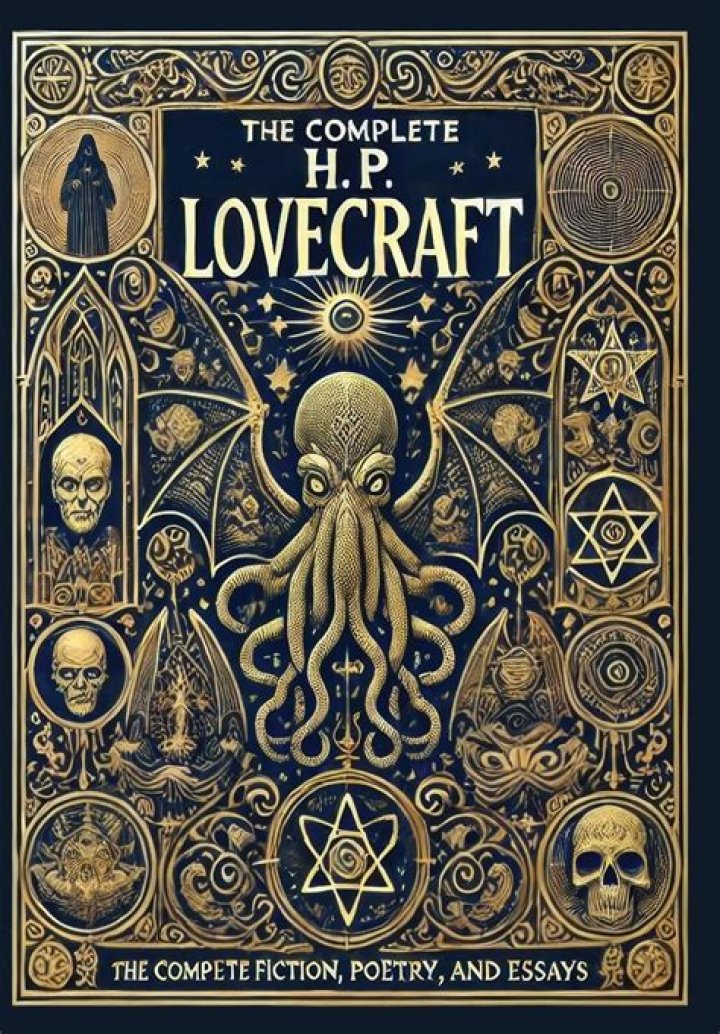
Episode 1 contains several references to Lovecraft. When Atticus first arrives at his uncle's store, he takes a copy of The Outsider and Others from the shelf. The book contains several short stories and was published in 1939, but ceased distribution in 1944. It is fair to say that this is one of the rarest books in George Freeman's collection.
The stories in the book are primarily about the Elder Gods including shoggoths and Cthulhu. It may be that it was used in Lovecraft Country as a way to reference the author and the horrors the characters were going to face by the time they reached the woods in Ardham. It is possible that other stories from this omnibus may appear in future seasons of the series such as "The Dunwich Horror" and "The Colour Out Of Space."
H.P. Lovecraft's Racist Poetry
While Atticus is with his uncle George in episode 1, the two discuss the poem Lovecraft wrote about Black people. That the poem is utterly vile is not up for debate, but it is included in order to recognize the racism that was integral to Lovecraft's writing. The poem is so egregious that it even raises questions about whether or not he should be honored at all for his contributions to the genre, especially considering how essential racism was in writing most of his stories.
Related: Color Out Of Space: All Lovecraft Story Differences
The Alchemist & The Sons Of Adam
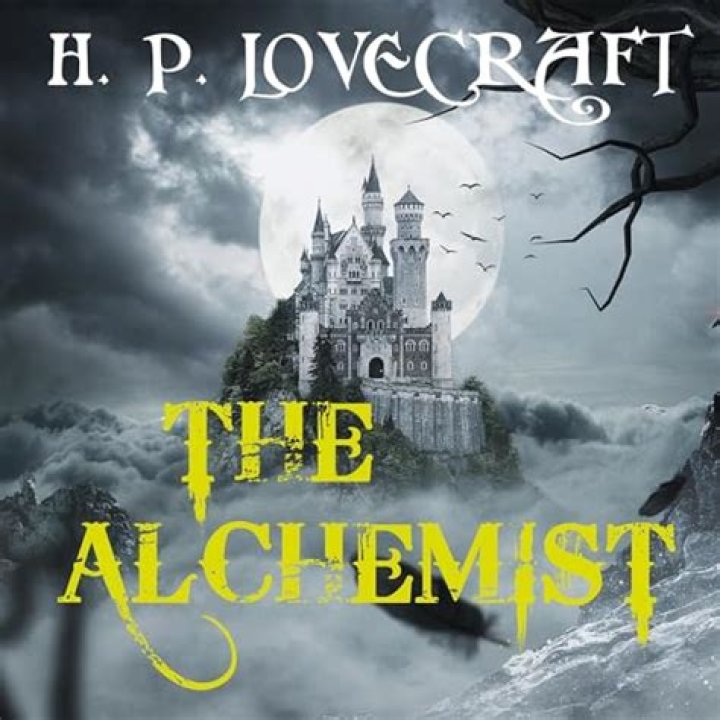
The Sons of Adam are based on H.P. Lovecraft's "The Alchemist," which was written in his late teens but wasn't published until 1916. It follows Count Antoine and his family, who are all cursed to die by the time they reach the age of 32. The only way to avoid this early death is by conjuring an elixir that can sustain their youth.
The Braithwhites will stop at nothing to become immortal. Samuel, the patriarch of the family, died when he tried to use Atticus for his own ritual. When it failed, his daughter Christina stepped up to attempt the spell herself. Their family and the Sons of Adam are a direct reference to Count Antoine of "The Alchemist" and his goal of gaining an elixir that could allow him to become immortal.
The Necronomicon & The Book Of Names
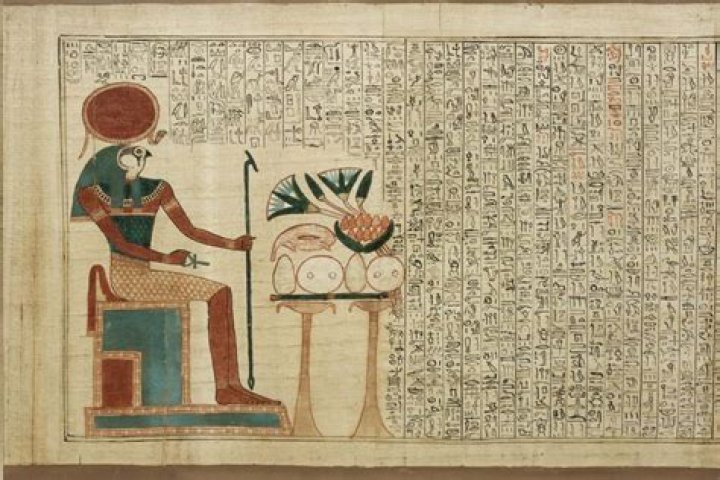
The Necronomicon never officially appeared in Lovecraft Country but a version of it did: the Book of Names. Lovecraft was known for creating fictional texts that were created by some ancient prophet or an individual who practiced alchemy. The Necronomicon, according to Lovecraftian mythos, was created by Abdul Alhazred. The Book of Names in Lovecraft Country contains spells that can bring the dead back to life, conjure shoggoths, bind others from doing magic, and more.
In popular culture, the Necronomicon is known for having similar, if not the same, contents. For instance, it was popularly used in Evil Dead to bring hell on Earth and bring ancient evils into the modern world. The Book of Names is mostly known for being a magical text that contains pages from several alchemists. It is likely that it is a version of the Necronomicon or it is a reference to one of the approximately twenty different fictional texts Lovecraft created with his writing. While there are possibly countless references to H.P. Lovecraft throughout the series' entirety, these are the most substantial references that Lovecraft Country makes to the horror author.
More: Lovecraft Country: Every Movie & Song Reference In Episode 6