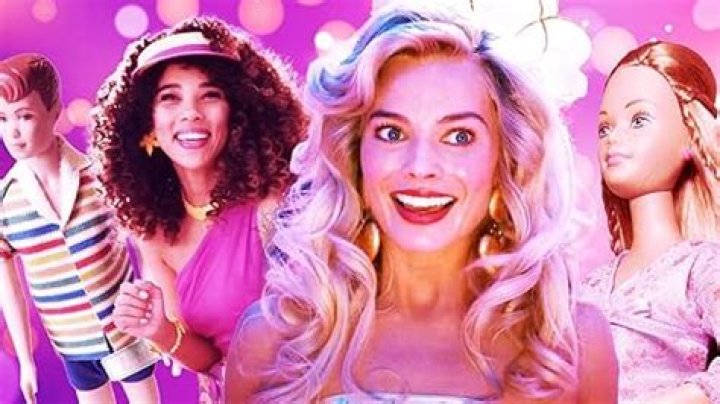
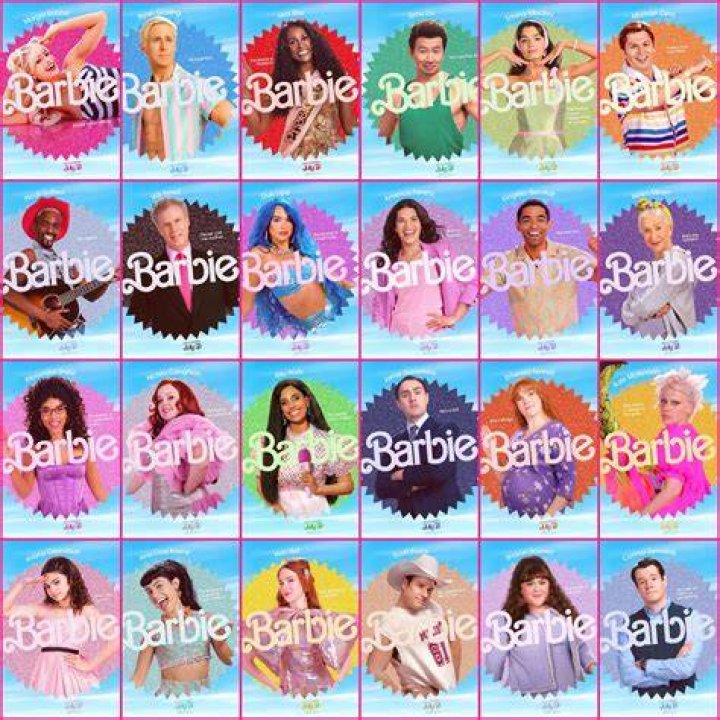
Greta Gerwig's movie suggests the idea of an “ordinary Barbie” and showcases many Barbies, so can fans find an ordinary doll on shelves?
Warning: the following contains spoilers from the movie Barbie.
Summary
- Greta Gerwig's Barbie movie has introduced the concept of an "ordinary Barbie." Mattel never created one, but there was an ordinary doll made.
- An artist named Nikolay Lamm created the Lammily doll as a response to Barbie's unrealistic proportions, using CDC data to ensure it resembled an average 19-year-old woman. The doll became popular and is available for purchase.
- The Barbie movie addresses the controversies surrounding Mattel and the Barbie brand, criticizing its unrealistic body standards. The film also acknowledges its own shortcomings and raises important conversations about beauty standards.
Greta Gerwig's Barbie movie suggests the concept of "ordinary Barbie;" it's an idea that's been tried before, although never from official sources. Gerwig's Barbie has proven a massive commercial success. A combination of a monstrous marketing campaign, an unlikely synergy with its release-day partner, Oppenheimer, and strong critical reception has brought the movie to a record-breaking box office weekend. Critics praise the film's thoughtful script, which offers sharp and penetrating critiques of the Barbie brand and its responsibility to the wider culture.
The most infamously problematic part of Barbie's identity has always been the doll's reinforcement of unrealistic body and lifestyle standards. An American healthcare resource (via Daily Mail) pointed out that the doll's proportions, if applied to a real-life woman, would allow for only half a liver and require walking on all fours. In the Barbie movie, a character draws attention to these problems, suggesting the addition of an "ordinary Barbie," whose imperfections might prove relatable and reassuring to the real people who buy the doll.
There Is An "Ordinary Barbie" In Real Life (But Not From Mattel)
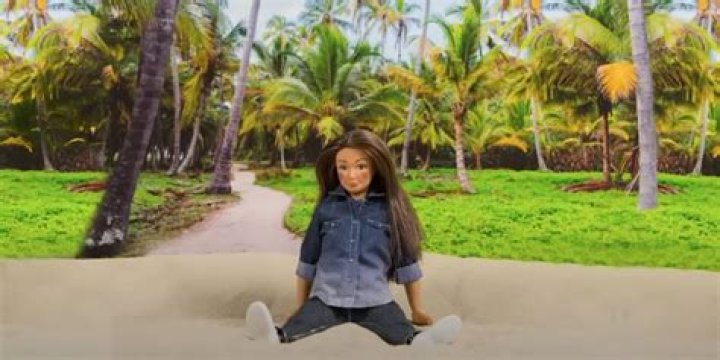
Mattel has never put out an "ordinary Barbie," as teased in the Barbie movie. However, that hasn't stopped an enterprising young artist from recognizing the need. The Lammily doll, from graphic designer Nikolay Lamm, began life as a viral art project in 2013. Lamm created the doll as a counterpoint to the unrealistic proportions of Barbie, using CDC data to ensure that Lammily's measurements matched those of an average 19-year-old young woman. The concept soon became a phenomenon, prompting Lamm to put out a full line of Lammily dolls available for purchase.
The doll hit the market for the first time in 2014. A few months later, Lamm even decided to take things one step further with an additional sticker pack that gives the Lammily doll some realistic cosmetic embellishments. The sticker pack includes acne, moles and the ability to blush. Other stickers available for purchase allow the doll to have cellulite and stretch marks. A controversial decision even involved the addition of scars as an option because, in Lamm's words (via Time), "some kids have scars and are really shy about them."
How The Barbie Movie Acknowledges Mattel's Mistakes
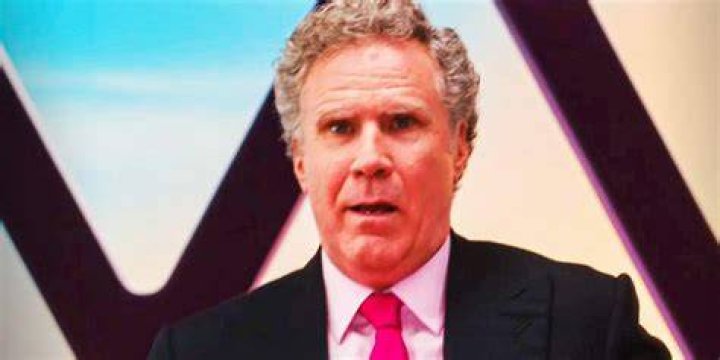
The unrealistic proportions of the Barbie doll are just one of the numerous controversies Mattel has experienced with the Barbie brand over more than 60 years of making the toy. However, Greta Gerwig and co-writer Noah Baumbach's Barbie screenplay take plenty of opportunities to address and criticize the brand's shortcomings. Mattel is a significant plot point in the film, with Will Ferrell playing a satirized version of Mattel's real CEO. The film acknowledges the capitalistic core of the enterprise, with the CEO uninterested in making an "ordinary Barbie" until he learns that it would sell well.
Barbie sharply uses the character of real-world teenager Sasha (Ariana Greenblatt) to give voice to some of the more harmful aspects of Barbie's cultural legacy and the unrealistic body standards it has long enforced. The film even acknowledges its own shortcomings when it comes to such critiques, employing a clever fourth-wall break that points out Margot Robbie's less-than-ideal position as an ambassador for realistic beauty standards. It's a thoughtful film that pushes the boundaries of its speech impressively far for a product co-produced by Mattel. While such a message within a big-budget comedy can only be taken so far, it's a laudable continuation of an important conversation.
Source: Daily Mail, Time