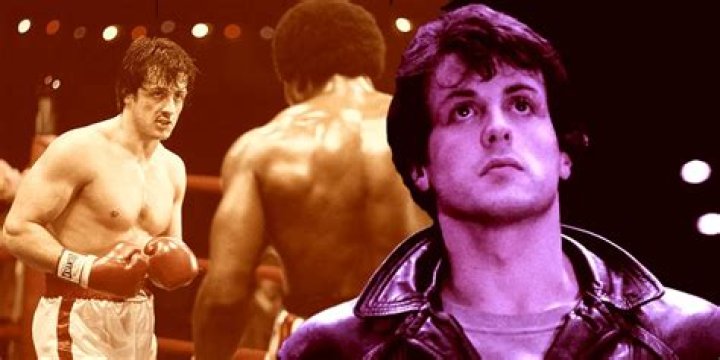
The first Rocky movie is today seen as the quintessential sports drama, but it's also a movie steeped in much deeper meaning than it may seem.
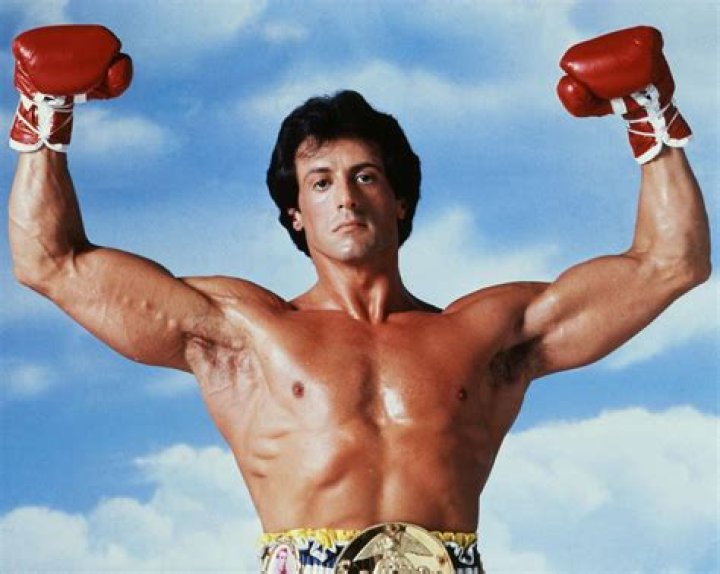
Though 1976's Rocky has since come to define the sports drama genre and spawn its own successful franchise, the movie itself is steeped in deeper meaning and complex themes that are often missed. The film that catapulted Sylvester Stallone to Hollywood stardom, Rocky is nothing short of a time-honored classic. Following low-level professional boxer Rocky Balboa as he prepares for the fight of his life against the heavyweight champion of the world, Rocky is the quintessential underdog story, and it offers an intriguing glimpse into the psychology of the boxing world.
When heavyweight champion Apollo Creed - the Rocky franchise's best fighter - begins to have difficulty finding willing opponents, he opts to give a hungry young contender a shot at the title. Apollo believes that the resulting spectacle will be a win-win situation: he gets a challenger who should prove easy to beat, and a low-level fighter receives a far greater payday than they're accustomed to. However, what Creed doesn't realize is that the fighter he selects, Rocky "The Italian Stallion" Balboa, possesses the uncanny ability to absorb a tremendous amount of punches, and has more heart than anyone else in the sport of boxing.
Naturally, Rocky takes his championship opportunity incredibly seriously. Although Rocky Balboa isn't as skilled a boxer as Apollo Creed, their match-up proves surprisingly close, frustrating the champion beyond belief as he had drastically underestimated his chosen opponent. Against all odds, Rocky goes the distance with Creed, and narrowly loses on the scorecards - but though Apollo technically retains his title, his public image is forever tarnished by the incredibly closely-fought contest.
Why Rocky's Points Loss Should Still Be Considered A Victory
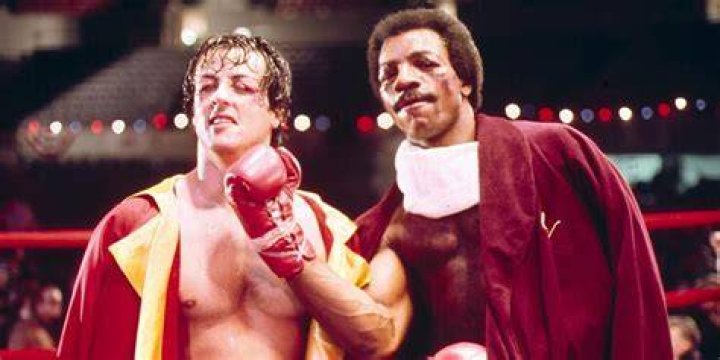
Though Rocky famously ends with the titular boxer losing to Apollo Creed, the result is actually far more favorable for the Italian Stallion than it may seem. Despite Apollo Creed retaining his title, his victory over Balboa still comes as something of a black mark on his record. Prior to the pair's fight, Apollo Creed's boxing record was far more impressive than the recorded victories and losses of Rocky Balboa: Creed had won all of his professional outings by knockout, whereas Rocky's own record could be considered average at best.
Comparing the two boxers' records is just the most obvious way in which Creed should have found Rocky easy to beat. There's also the matter of Creed's clear technical superiority, particularly as Rocky doesn't employ any real defensive tactics during their clash. Additionally, as the champion, Creed had access to state-of-the-art equipment and training techniques, while Rocky's own regime was a far more old-school affair. In spite of Creed's clear advantages, Rocky still fought an incredibly close fight against the champion, which significantly tarnished Creed's reputation. As all indications were that Apollo Creed would knock out Rocky Balboa with ease, the fact that he didn't then served to elevate Rocky's status in the boxing world. As Balboa managed to go toe-to-toe with the heavyweight champion and hold his own, he proved himself a worthier challenge than he got credit for, and that makes his narrow points defeat more of a career victory than it seems.
Rocky's Ending Makes It The Most Realistic Of The Franchise
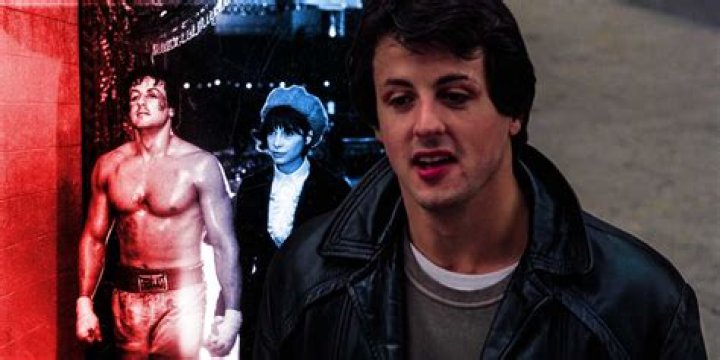
The ending of Rocky, in which Balboa narrowly loses to Apollo Creed, is actually by far the most realistic ending of the entire franchise. Rocky's triumph in the first film lies in his own sense of accomplishment over proving his resilience and his fortitude on the world stage, making his victory inherently personal and juxtaposing the spotlight of the boxing ring and Balboa's own inner drive. Rocky's real-life inspiration, Chuck Wepner's fight with Muhammad Ali, ended similarly, contributing significantly to the film's ending being more realistic than its successors.
Rocky II sees Balboa successfully knock out the technically-superior Apollo Creed to win the title. Rocky III saw Rocky overcome a fierce opponent who had already beaten him once. Rocky IV had Rocky triumph over the deadly power of Ivan Drago (and the Soviet Union) despite the fact that Drago's punches were powerful enough to kill Apollo Creed. Rocky V ignored its own established story to facilitate Rocky taking part in a street fight, and Rocky Balboa had the aging fighter hold his own against the undefeated heavyweight champion, Mason "The Line" Dixon, in his prime. The fact that each sequel found some way to push Rocky's ending further actually speaks to the genius of the original movie's ending: the subtlety of Rocky's personal victory and his apparent indifference to the outcome of his fight with Apollo was both touching and poignant, and subsequent Rocky movies had to push the bounds of realism to live up to it.
Rocky Is A Statement About The American Dream
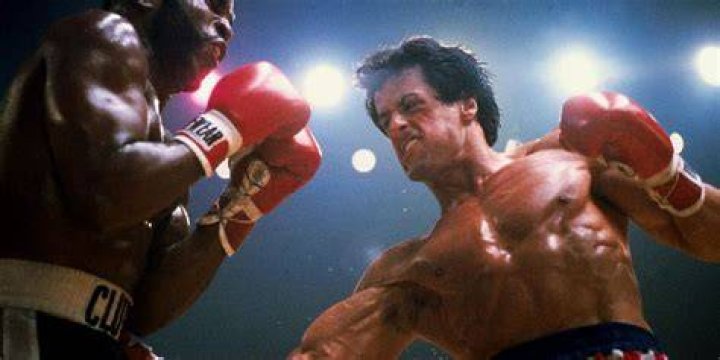
The statement that Rocky makes about the American Dream is somewhat on the nose, particularly as Apollo Creed directly references the idea when selecting Balboa as an opponent. Creed represents the status quo, the powerful entity in control of Rocky's world, and he specifically chooses Balboa as the representative of the American Dream. Having Rocky fight a powerful undefeated opponent and nearly triumph due to his determination and hard work seemingly encourages the traits valued by modern society. The film's ending colors the notion by introducing the idea that Rocky is simply pleased with what he perceives to be a job well done - regardless of the actual outcome.
Rocky Is About Overcoming Expectations & Adversity

In keeping with the ideals of the American Dream, Rocky's central theme is one of overcoming adversity and the expectations of others. Despite being written off by Apollo Creed and his fans, Rocky ignores his detractors and rises to the challenge, putting on a display of his ability to endure an overwhelming amount of punishment. However, Rocky isn't just overcoming the odds, he's overcoming his own background and the societal factors that seemingly keep him down.
Part of what makes Rocky Balboa a boxing miracle is his lack of any education or other significant opportunities. In fact, his shot at Apollo Creed's title is the biggest opportunity he's ever been afforded in his life, and he attempts to seize it with both hands, throwing himself into his training in hopes of overcoming his own circumstances. The journey that this takes Rocky on is one of self-discovery: it gives him the confidence to fall in love with Adrian, and he realizes that all that is truly required to overcome a situation is the willingness to try. In that lies Rocky's real meaning, and the persistent theme of self-improvement through hard work is a big part of what makes the movie (and the franchise) so uplifting.
The Real Meaning Of Rocky's Ending
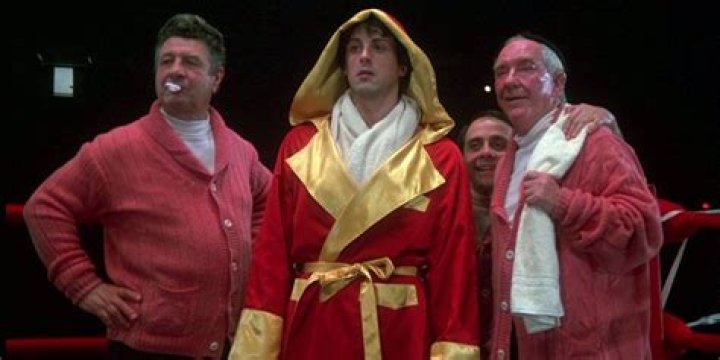
The ending of Rocky sees Rocky leave the arena triumphantly despite having lost the fight in one of the most iconic moments in the sports drama genre. The deeper meaning of the ending lies in the reason behind Rocky's positivity - he knows he gave the fight his all, and he's satisfied with his performance and the ways he's improved himself, and therefore, winning isn't everything to him. The way Rocky reacts indifferently to the outcome of the fight also shows how happy he is to have found Adrian, and that's also key to the real meaning of Rocky's ending.
Despite losing the fight, Rocky has finally found what he always wanted, because there's finally more to his life than fighting. He's proven his skill and his resilience, but more importantly, Rocky Balboa finally found a reason to fight outside the fact that it's simply in his nature. In this, Rocky finally discovers his own self-worth, and the outcome of the fight suddenly means much less to him than it once did. The much deeper implication of Rocky's indifference to his loss is decidedly touching, and it's a big part of what makes Rocky's ending so iconic.