The writers of Rogue One: A Star Wars Story had an idea for a sequel that would have been even darker and more morally ambiguous than Rogue One.
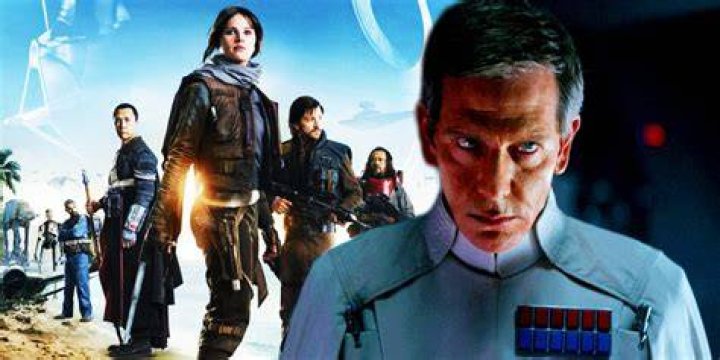
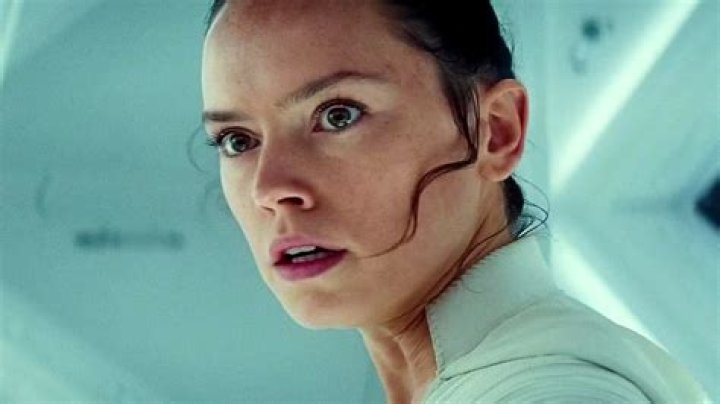
There was once a concept for a Rogue One: A Star Wars Story sequel that would have been even darker than the original. Rogue One told the story of how the Rebel Alliance gained access to the Death Star plans, and further explored the sacrifices that needed to be made to defeat the Empire. Famously, the movie led straight into the events of A New Hope, and most of its main characters died, so there was never any true hope for a direct Rogue One sequel. However, the writers of Rogue One did once discuss an idea for a thematic sequel that would have delved into the moral ambiguity of the Rebellion.
Co-writers Gary Whitta and Chris Weitz conceptualized a Rogue One sequel show that would have involved a “Mossad-style Rebel team” tracking down fleeing Imperial war criminals after the fall of the Empire. This would have been an interesting continuation of Rogue One’s narrative; a Star Wars show in which the darker side of the Rebel victory could be explored. In that scenario, the Rebels would have had to fight on the offensive, not defensively, reversing the war’s dynamic entirely. The show could have explored how far the Rebels were willing to go to hold onto their hard-won freedom, and whether it mirrored anything the Empire did to hang onto its dictatorship.
Why Rogue One 2 Never Happened
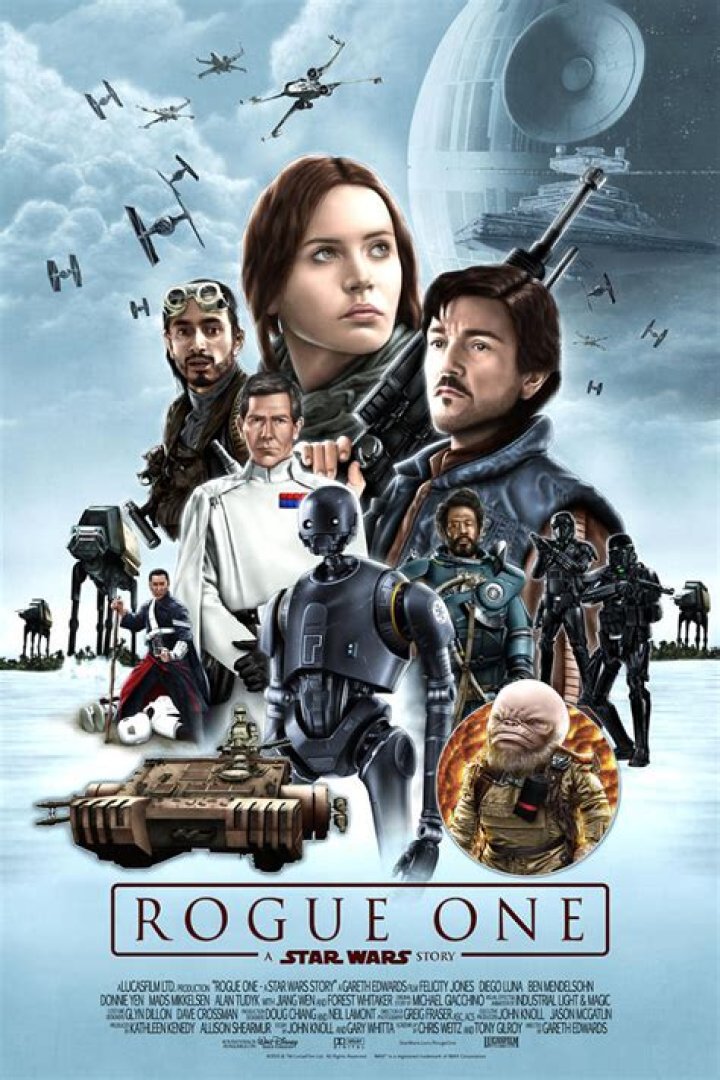
A direct Rogue One: A Star Wars Story sequel never happened simply because there was no Rogue One story left to tell. The events of Rogue One led directly into A New Hope, and the characters the audience had come to know had all bravely sacrificed themselves for the Rebel cause. The rest of the story of Rogue One’s exploits on Scarif had already been told in the original Star Wars trilogy, covering the destruction of not one but two Death Stars and the larger Rebellion victory in the galaxy. That which the Rogue One unit members had sacrificed themselves for had been accomplished. That was the ultimate ending of Rogue One’s narrative.
Not to mention, Rogue One: A Star Wars Story was always meant to act as a standalone tale. At the time of Rogue One’s release, Lucasfilm was experimenting with anthology films, one-and-done stories within blockbuster movies that would offer connections between the prequel, original, and sequel Star Wars trilogies. Solo: A Star Wars Story was the next effort of this initiative after Rogue One’s billion-dollar box office success, but unfortunately was unable to replicate the same winning formula. After that, the ideas for Star Wars’ anthology movies fizzled out, essentially replaced with Star Wars TV once Disney+ launched in 2019.
Why Rogue One Is Better Without A Sequel
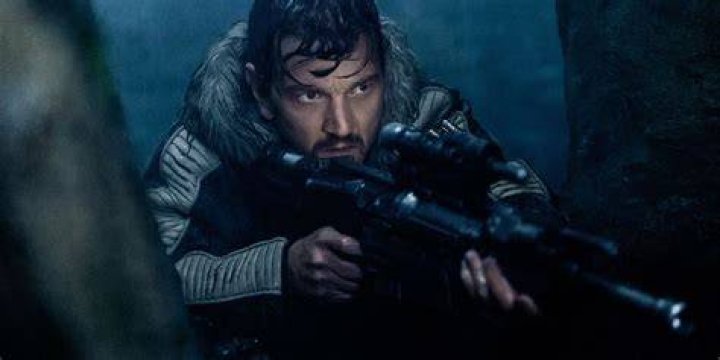
If a true Rogue One sequel had been in the works at any time, the emotional impact of the main characters’ decisions would have essentially been nullified. The entire point of Rogue One is to show the compromises and sacrifices that needed to be made to ensure the success of Star Wars' Rebel Alliance – the lives that are taken, the resources lost, and the difficult judgment calls that need to be made to fight another day. If any of the main characters had survived simply because there was a follow-up narrative in the works, it would have ruined the film’s core message and made it seem like Lucasfilm wasn’t willing to take as many storytelling risks as Rogue One proved they did.
The prequel treatment that Rogue One was given instead, with Andor, makes much more sense for the movie’s narrative. It follows up on the important themes that were presented in Rogue One, like the darker, ethically vague side of the Rebellion and how it came to be the winning force in the war, without lessening the impact of Cassian Andor’s (Diego Luna) sacrifice on Scarif. Rogue One: A Star Wars Story is the culmination of all the Rebellion’s trials and tribulations and presents the moment that the tide truly changed in the war, and it tells that story perfectly well on its own.