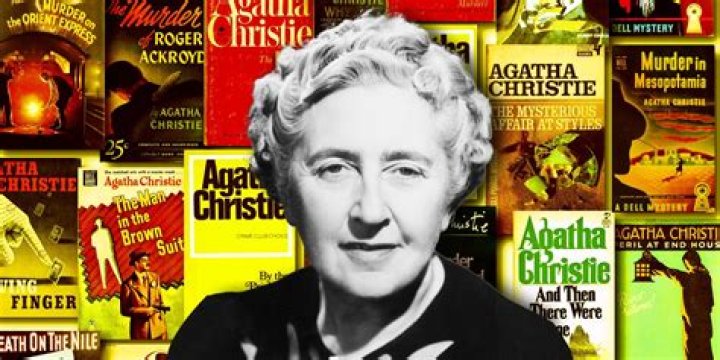
The best Agatha Christie books include some of the most important and influential mystery and crime fiction ever with indelible characters and twists.
Summary
- Agatha Christie's books are characterized by the combination of complex stories and realistic characters, making her one of the biggest titans in the detective and mystery genres.
- Her stories often feature famous detective characters like Hercule Poirot and Miss Marple and have inspired dozens of film and TV adaptations.
- The best Agatha Christie books demand careful reading and attention to clues and hints before revealing twist endings, rewarding readers who engage with the narrative.
Agatha Christie is one of the biggest titans in the detective and mystery literary genres, and the best Agatha Christie books combine her talent for weaving complex stories with multifaceted, realistic characters. Christie was born in 1890 and passed away in 1976, and in her 85 years, she wrote 66 detective novels and 14 short story collections and was a central figure in the "Golden Age of Detective Fiction". Her stories are sometimes one-offs, their own contained universes, and often feature her now world-famous detective characters, Hercule Poirot or Miss Marple.
Recorded by Guinness World Records as the best-selling writer of all time, there are unsurprisingly dozens of TV and movie adaptations of Agatha Christie books, including Kenneth Branagh’s Murder on the Orient Express and Death on the Nile. Most, if not all, modern detective, mystery, and whodunnit stories can trace their inspiration back to Christie. Only Sir Arthur Conan Doyle may be said to have contributed more to the genre, and he is still not as prolific as Christie. Her puzzle-box-like stories offer clues and hints that demand attention to the narrative, and the best Agatha Christie books reward careful reading before the twist finale is revealed.
15 4.50 From Paddington (1957)

4.50 from Paddington is a Miss Marple story that sees Elspeth McGillicuddy going to visit her friend, the titular amateur sleuth. On the way, Elspeth's train passes another, and she witnesses a murder taking place on the other train. It’s an exciting and twisting story that sees Miss Marple use her own housekeeper as an undercover agent to search for clues in a suspect’s home. However, 4.50 From Paddington is not as logically sound as many of her other stories, and some of Miss Marple’s "discoveries" feel more like coincidence than earned.
14 The Mysterious Affair At Styles (1921)
Hercule Poirot is arguably Christie’s greatest invention, a Belgian detective with a stiff mustache who is punctual, prim, and singlehandedly capable of solving even the most perplexing of crimes. One of the standout characters in fiction, Hercule Poirot has been played by numerous actors over the years, all keen to depict the recognizable, hyper-intelligent detective. His first appearance is in The Mysterious Affair at Styles, which is also Christie’s first novel. It’s a simple murder mystery in a country home, quaint by Christie’s novels’ later standards, but it features many elements that would become staples of the modern mystery genre including a remote, picturesque setting.
13 The Murder At The Vicarage (1930)
The Murder at the Vicarage features the first appearance of the amateur detective Miss Jane Marple. Miss Marple is shrewd, cunning, and prone to noting comments in conversation that inevitably lead her to a crime’s solution. Self-assured and witty, Miss Marple has been played by several famous actresses. She's characterized as a gossip in The Murder at the Vicarage, but later stories see a softening of her character. In this story, Miss Marple solves the case of a murdered churchwarden. The side stories and characters weigh the book down, but the main plot is intriguing and surprisingly modern.
12 Peril At End House (1932)
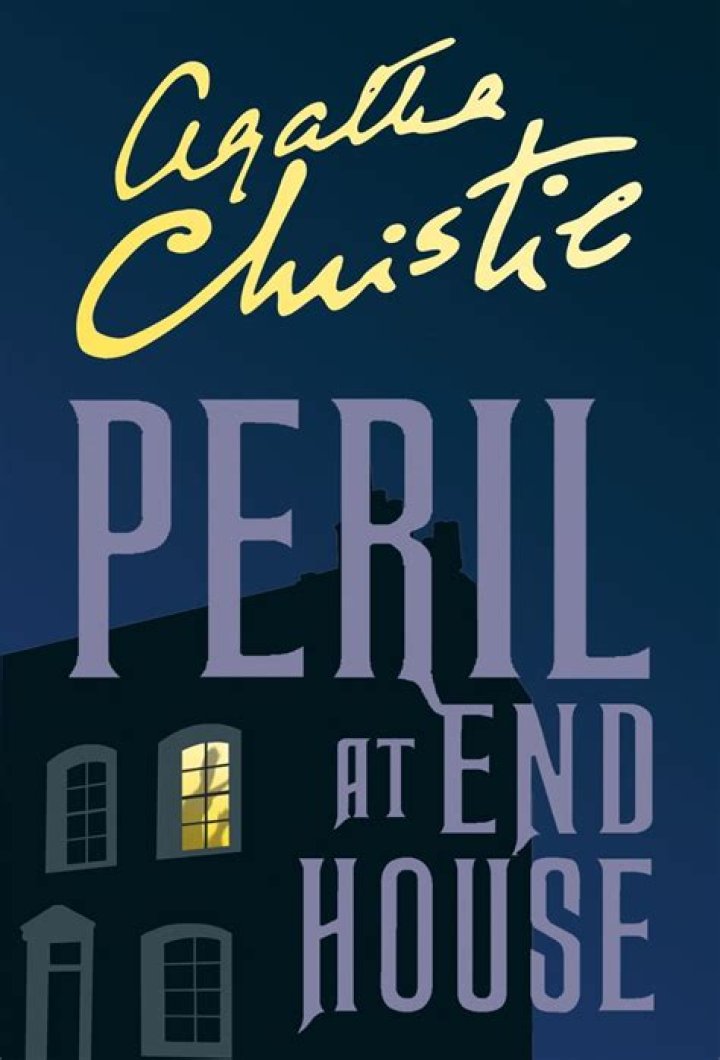
In Peril at End House, Poirot and two other Christie mainstays, Arthur Hastings and Chief Inspector Japp, all convene on a vacation home in Cornwall where Magdala "Nick" Buckley insists they protect her from an impending murder attempt. Christie uses simple tricks and red herrings to hide the killer in plain site and the twist in the end is as ingenious as any she’s produced. The melodrama between Nick and the other members of the resort can be tiresome, but the core plot and clues are all some of Christie’s most well-written.
11 Crooked House (1949)
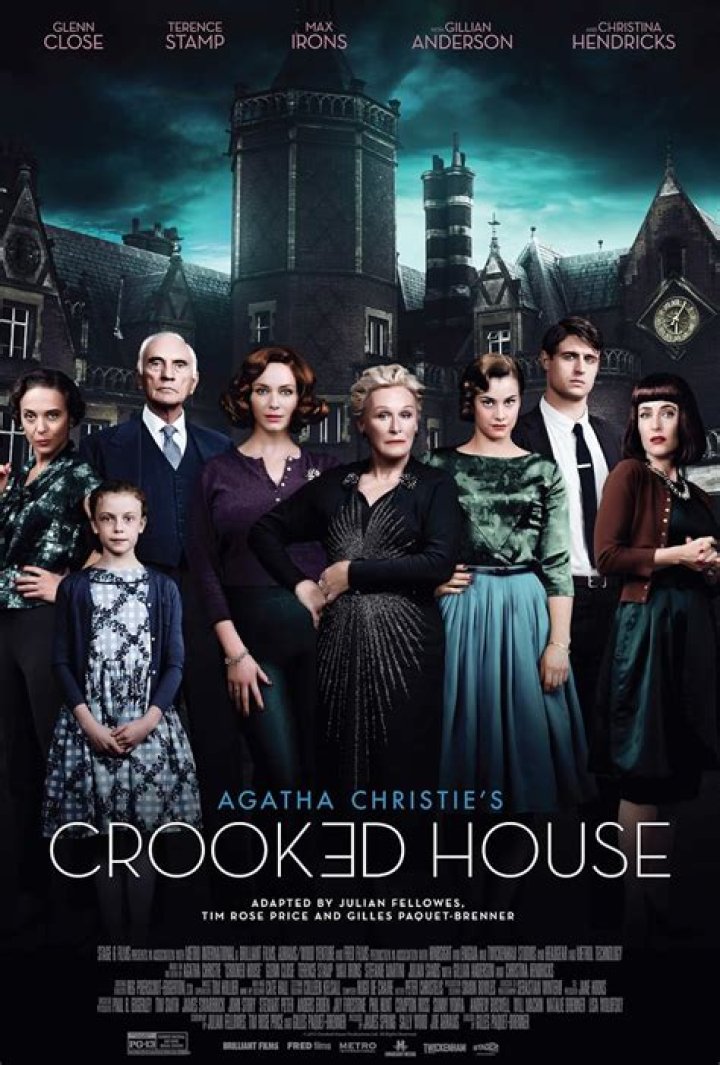
Crooked House follows multiple generations of the Leonides family, who all live together under wealthy patriarch Aristide. After Aristide is found dead from poisoning, each one of his family members is considered a suspect. A fiancé to one of the grandchildren, Charles Hayward, serves as the protagonist and narrator. It’s a suspenseful and thrilling tale with plenty of red herrings to keep readers guessing. The end is a wildly unexpected and pitifully grim finale that doesn’t have any one person crack the case. Instead, the true killer reveals themselves, but not before the Leonides family is permanently fractured.
10 Endless Night (1967)
Christie almost exclusively wrote crime and mystery fiction, but Endless Night may be the furthest she stretched the genre’s conventions. While Endless Night is still primarily a mystery, the romance and gothic horror elements make for a unique tone. A young working-class man, Michael Rogers dreams of having a home and a loving wife. When he meets a rich woman named Greta, who is weary of her affluent lifestyle, they commit crimes that ultimately end with Michael imprisoned. It’s a sinister and dark novel, with the twists coming even after it seems the story has pulled all its tricks. Endless Night's ending will make a reader recontextualize the entire story.
9 A Murder Is Announced (1950)
Most Christie novels introduce the characters and the setting first before moving into the inevitable murder mystery. A Murder Is Announced instead introduces the story’s conflict in the very first pages, as a notice is placed in a newspaper indicating the time and place a murder will soon occur. It’s a very streamlined and tight read, where all the clues are clearly presented without too much being given away. Miss Marple once again takes up the case in this post-WWII story where food stamps and slow government operations actually factor into the plot, unusual for Christie whose stories are not often connected to an exact time period.
8 Evil Under The Sun (1941)
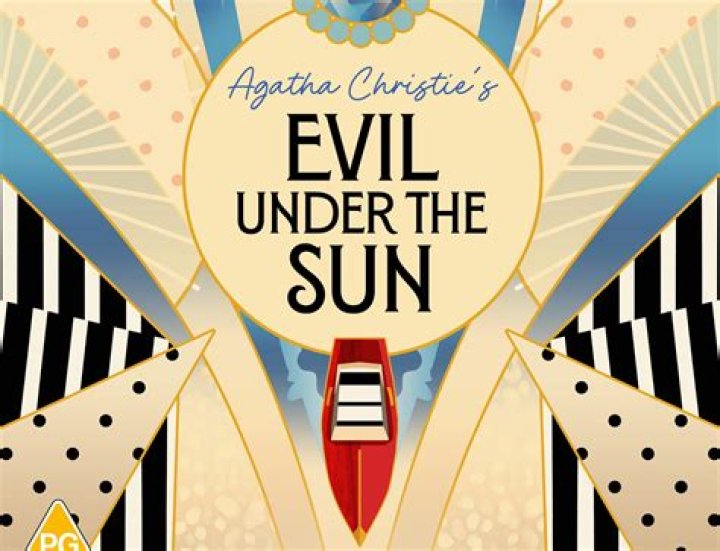
Poirot goes on vacation in Devon, hoping for a quiet and relaxing time in Evil Under the Sun. However, a beautiful and widely disliked boarder at his resort, Arlena, is soon found dead. It’s an unusual setting for Christie, away from the countrysides and dinner parties. The mystery in Evil Under the Sun is a smartly written and complex puzzle that shows Christie at her most ingenious. Every detail is important, and she manages to lure the reader into one suspicion before completely flipping expectations.
7 Curtain: Poirot’s Last Case (1975)
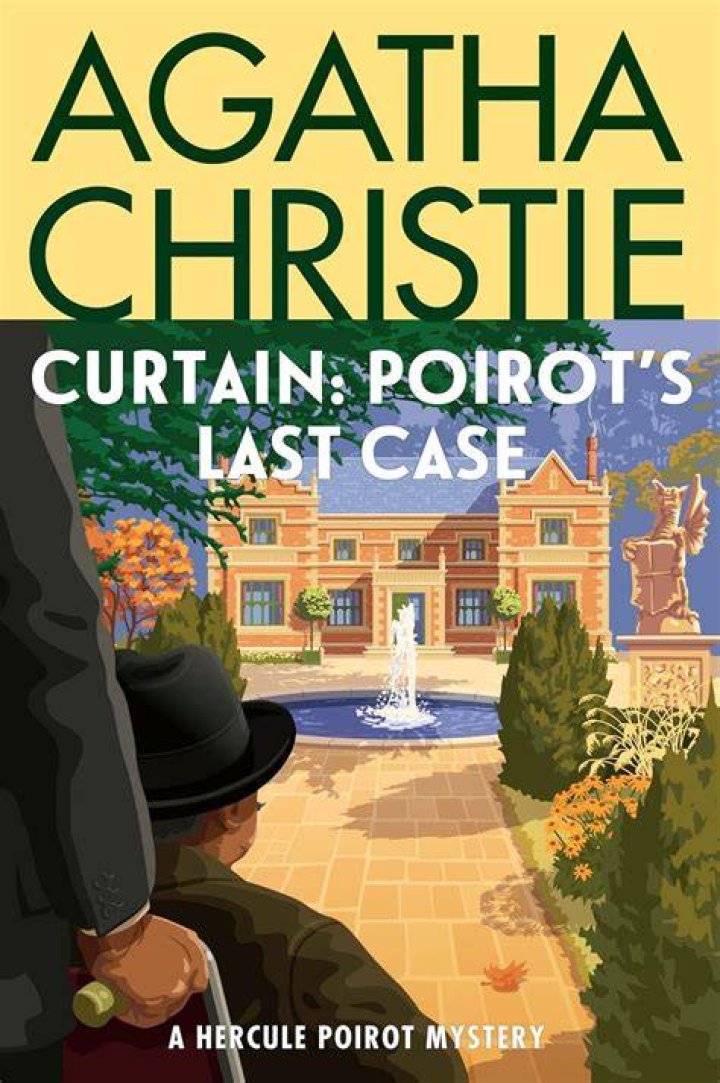
Christie’s last published novel before she passed, Curtain: Poirot’s Last Case is also her indelible detective’s last appearance. Poirot and Hastings return to the very same house from The Mysterious Affairs at Styles and the story is of the same one-room murder mystery style that made Christie famous. Together, Poirot and Hastings solve the murders of five different people in a fresh and original novel that is one of the best of her late career. It’s a fitting and touching goodbye to Poirot, whose final words in literature are, "Goodbye, cher ami."
6 The A.B.C. Murders (1936)
Poirot, Hastings, and Chief Inspector Japp are reunited to uncover the identity of the A.B.C. murderer in The A.B.C. Murders. The serial killer picks his victims based on their names, selecting those with alliterative names starting with A.A. There are various false conclusions and mistaken suspects, but Christie manages all her different story threads into one complete and cohesive narrative. It’s one of her trickiest stories to solve but once the ending is revealed, it’s clear how well she placed the clues and hints before the story's finale.
5 Five Little Pigs (1942)
Five Little Pigs concerns a murder from over a decade before the story begins. Caroline Crale was convicted of the murder of her husband, but her daughter, Carla Lemarchant, insists to Poirot that her mother is innocent, and the culprit is one of five people who were also present at the time of the murder. The crime is told from five different perspectives, and it’s a testament to Christie’s writing that she manages to make each retelling feel fresh and engaging. The satisfying solution to the murder is also moving as Carla realizes knowing the truth won't release her mother nor will the true culprit be apprehended.
4 Death On The Nile (1937)
Adapted into a major 2022 motion picture by Kenneth Branagh, Death on the Nile follows Poirot on holiday, taking a steamship cruise on the Nile River in Africa. Poirot discovers that one of his companions on the steamship is a murderer and must quickly figure out who it is before more passengers are killed. Beyond the intricate story that resolves in an exciting and unexpected finale, Death on the Nile features some of Christie’s strongest character writing. With a large cast trapped together, Christie manages to paint each character as a separate and unique person who stands out on their own.
3 The Murder Of Roger Ackroyd (1926)
Dr. James Sheppard narrates The Murder of Roger Ackroyd, a Poirot novel that is widely considered one of Christie’s greatest books. The story follows the murder of the eponymous Roger Ackroyd, who is killed by his own dagger. Poirot uncovers the plot to kill Mr. Ackroyd, and the twists and turns to get to the final reveal are carefully inserted throughout the novel. Each character appears to have their own motivations and secrets, but the true killer’s reveal is a massive twist that completely changes the trajectory of the story in a way that hadn’t been done before in mystery novels.
2 Murder On The Orient Express (1934)

Murder on the Orient Express finds Poirot traveling from Istanbul to London on the titular train. While aboard, a passenger, Samuel Ratchett, is killed after receiving death threats. Every other passenger on the Orient Express, is a suspect and Poirot discovers that the web of conspiracy is much larger than he could have imagined. Murder on the Orient Express is One of Christie’s most famous novels, Murder on the Orient Express has been adapted into many different versions. It’s the story that other mystery stories are compared to and the improbable ending does not feel unbelievable thanks to how concisely written the plot and characters are.
1 And Then There Were None (1939)
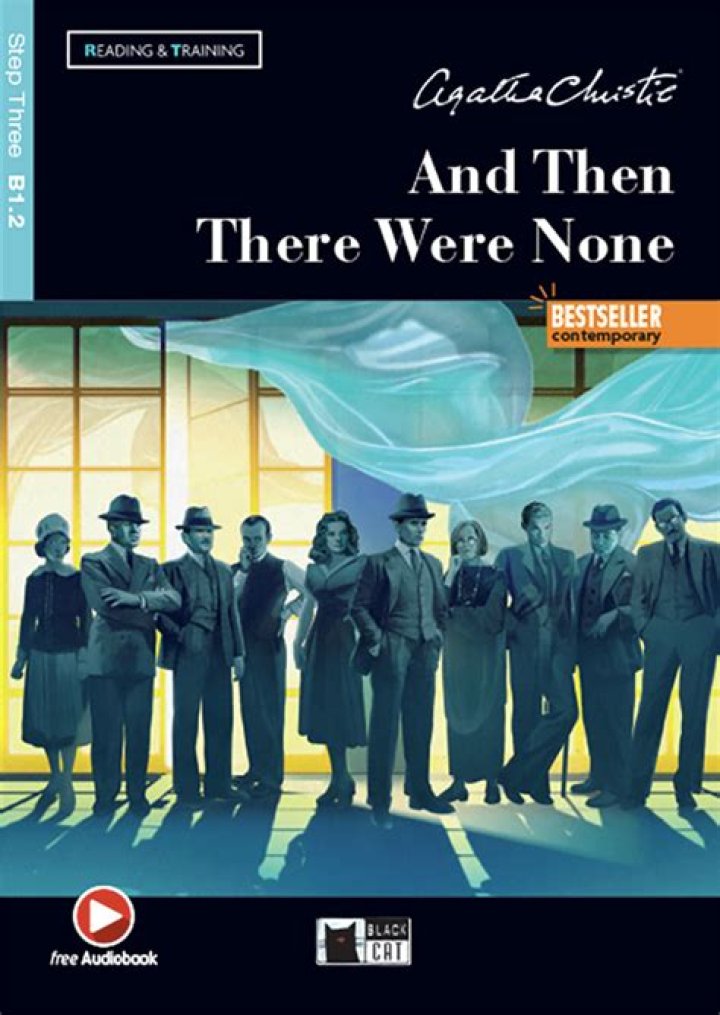
The best-selling crime novel of all time, (via The Guardian), And Then There Were None is Christie’s best and most notable book. A group of strangers is mysteriously invited to an island by an unknown host and once there, they are killed off one by one. Endlessly parodied and paid homage to, And Then There Were None is the definitive mystery chamber story. Agatha Christie’s magnum opus is tightly written, ingenious, spooky, and has clues and pitfalls that all feel earned. It’s full of shocks and surprises from the start, and many mystery and crime thrillers owe thanks to this iconic story.