The best Fleetwood Mac songs capture the vibrant essence of one of the most prolific bands of the Classic Rock era in all of their tumultuous glory.

Summary
- Fleetwood Mac's hits capture the tumultuous history of the band and are filled with romantic tension and personal drama.
- The best Fleetwood Mac songs are timeless rock classics that continue to be popular today.
- Each member of the band, including Stevie Nicks, Lindsey Buckingham, and Christine McVie, contribute their own unique style to create the iconic Fleetwood Mac sound.
The best Fleetwood Mac songs capture the romantic and vibrant essence of one of the most powerful bands of the Classic Rock era in all their tumultuous glory. Originally founded in 1967, the British-American band started as a blues outfit led by guitarist and vocalist Peter Green, but would become a recognizable anthem band by the mid-1970s. Several lineup changes occurred throughout the band's first decade, but the arrival of singer/guitarist duo Stevie Nicks and Lindsey Buckingham completely re-invented the act's sound. Fleetwood Mac dominated the latter half of the 1970s, and their hits continue to play on radio stations around the globe.
Though Fleetwood Mac's popularity has never really waned, the band found new life in 2023 with the release of the miniseries Daisy Jones & The Six. Based on the eponymous novel by Taylor Jenkins Reid, the fictional story echoes the tumultuous history of Fleetwood Mac, though the book and series aren't biographical. The behind-the-scenes drama of Fleetwood Mac's heyday is the stuff of legend, and many of their greatest hits are rife with romantic tension as the couples that made up the band allowed their personal drama to spill out through the music. The best Fleetwood Mac songs are not only hits but timeless rock classics as well.
15 "Tusk" (1979)

The title track off their 1979 album of the same name, "Tusk" is wholly unlike any other Fleetwood Mac hit. Intentionally aggressive to reflect their complicated relationships at the time, the song is a vocal extravaganza that builds and builds with rhythmic drumming throughout. The lyrics drip with anger, and even the album's cover, a dog biting someone's pant leg, is a perfect symbol for the moody penultimate song. Horns are added to great effect, and Mick Fleetwood gets a rare drum solo.
14 "Silver Springs" (1977)

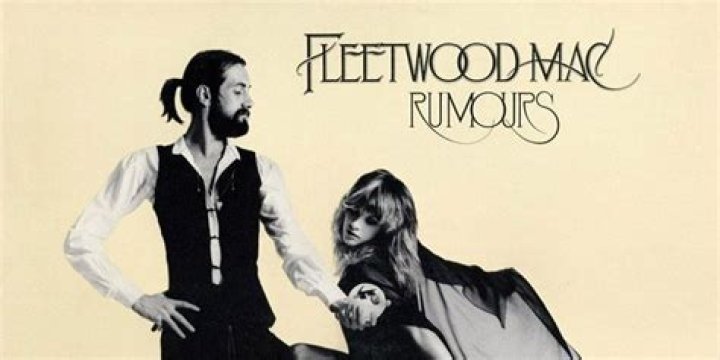
Many of the best Fleetwood Mac songs were mega-hits, but even though "Silver Springs" flew under the radar, it is no less powerful. The song didn't make the cut on their seminal 1977 album Rumors, but its stripped-down orchestration would have nestled nicely with the album's other classics. Nicks gives a surprisingly subdued vocal performance in the rare B-side, and the song has since taken its place among the band's greatest hits even if it wasn't fully appreciated at the time.
13 "Everywhere" (1987)
Christine McVie often played second fiddle to her bandmate Stevie Nicks, but her solo vocal hit "Everywhere" from 1987's Tango in the Night showed what she had to offer. Amped up by McVie's subtle synthesizer riffs, "Everywhere" is a brilliant love song that was a direct antithesis to the often complicated tunes that the band usually dreamed up. The song was a hit and helped to show that the late McVie really was the band's most underrated member.
12 "Seven Wonders" (1987)
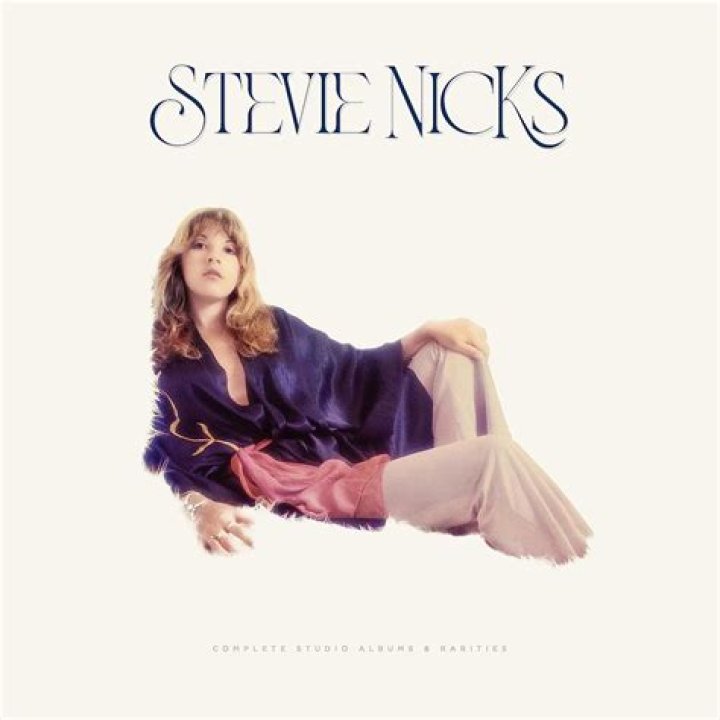
The best uses of Fleetwood Mac's music in movies and TV shows often capitalize on the band's overwhelming power, and their 1987 hit "Seven Wonders" found another life on American Horror Story. Fully embracing the '80s cheese of 1987, the band's album Tango in the Night showed they could incorporate the aggressive orchestrations that typified the synth-heavy latter half of the decade. "Seven Wonders" is typical Nicks with its mystical lyrics and brilliant crescendos that show off her smoky voice.
11 "You Make Loving Fun" (1977)
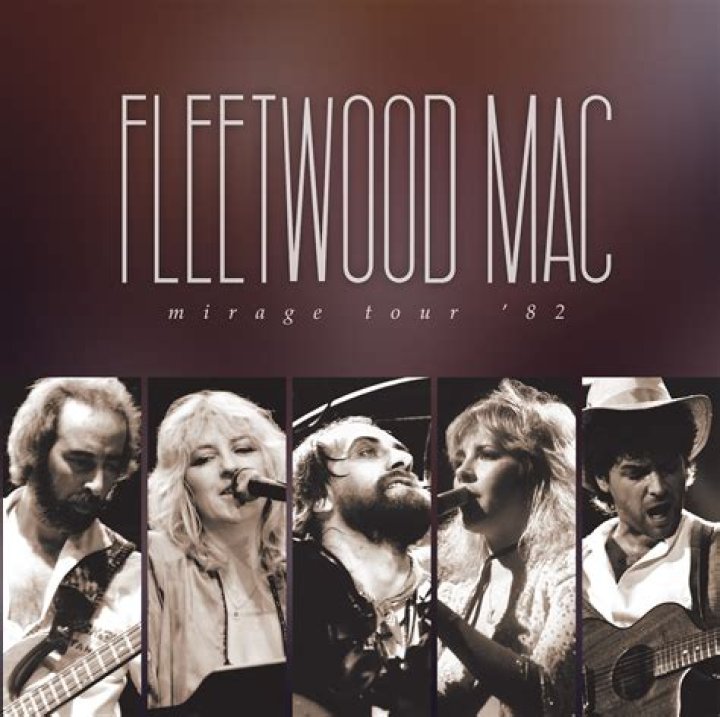
Christine McVie's major contribution to Rumors, "You Make Loving Fun" is a playful and sensual love song that didn't reflect the strife behind the scenes. McVie's soft vocals match the tone of the song perfectly, and Lindsay Buckingham's electric guitar melds effortlessly with McVie's clavinet work that drives the song along with John McVie's chunking bass. While most of Rumors is a complicated mix of desire and pain, "You Make Loving Fun" is just that, fun.
10 "Sara" (1979)
After 1977's Rumors produced nothing but hits, Fleetwood Mac's 1979 follow-up album Tusk was decidedly less successful when it came to radio play. However, Stevie Nicks' haunting ballad "Sara" stood out from the rest of the angsty album with its witchy lyrics and toe-tapping bass from John McVie. In "Sara", Nicks reveals her artistic muse in the fictional subject of the song and continues her quest of self-exploration that invites the audience along for an aural adventure of the highest kind.
9 "Gold Dust Woman" (1977)
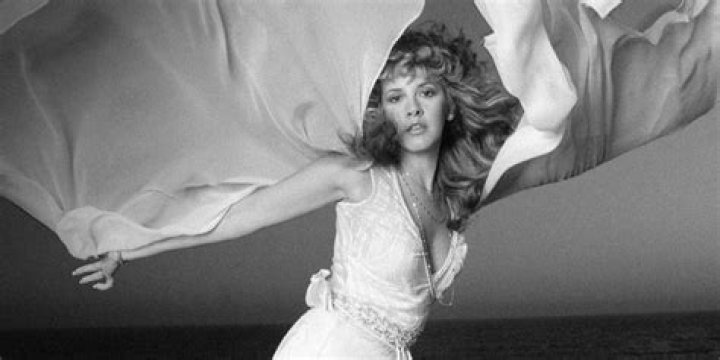
The characters of Daisy Jones & The Six may have been loosely based on the members of Fleetwood Mac, but songs like "Gold Dust Woman" were an obvious inspiration for the show as well. Coming from 1977's Rumors, "Gold Dust Woman" is a team effort from the entire group and each member's vocal style shines through. All throughout, the music is anchored by Buckingham's skilled picking guitar style, and it mixes in elements of folk, country, and even psychedelia for a song that challenges the listener with its diversity.
8 "Gypsy" (1982)
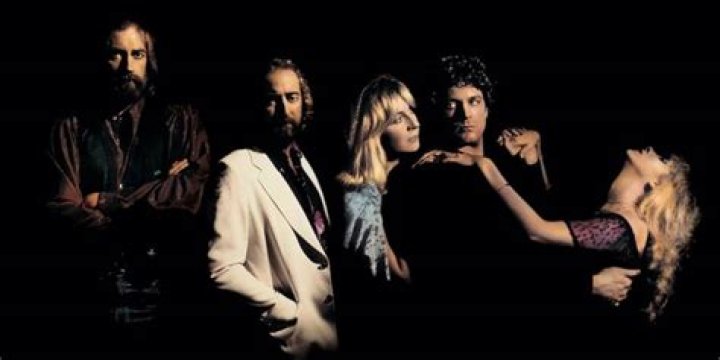
Fleetwood Mac's 1982 album Mirage was somewhat caught between the fleeting 1970s, and the blossoming 1980s that demanded sweeping musical change. However, the crown jewel of the album, "Gypsy", reminded wayward listeners of what made the best Fleetwood Mac songs so great to begin with. Nicks' spiritual lyrics and vocals are highlighted by subtle incorporations of synthesizer but is mostly supported by John McVie's driving bassline. On top of that, the beautiful harmonies from Christine McVie and Lindsay Buckingham weren't found in very many songs of the early '80s.
7 "Rhiannon" (1975)
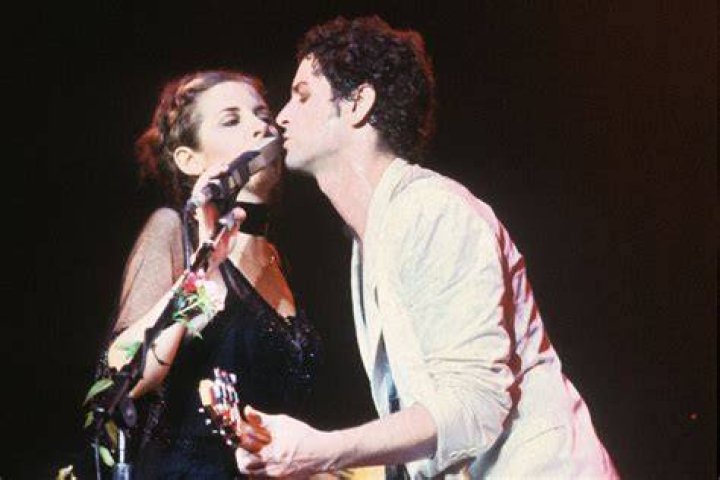
"Seven Wonders" wasn't the only Fleetwood Mac song featured in AHS: Coven, and the quintessential Stevie Nicks ballad "Rhiannon" also played a crucial role in the series. Released on their 1975 self-titled album, the ballad comes right at the listener with chippy guitar and a heavy bassline in almost complete opposition to Nicks' wilting lyrics. The song marked a clear change from the band's bluesy early days, to Buckingham and Nicks' moody and spiritual influence that would lead them to their greatest heights.
6 "Little Lies" (1987)
A decade after Rumors made them the biggest band in the world, Fleetwood Mac burst back on the scene with all the glitter and big hair of the late '80s in their radio hit "Little Lies". Though it is very different from their guitar-heavy '70s anthems, "Little Lies" managed to incorporate the style of the '80s while delivering the sort of tortured love songs everyone wanted to hear from the group. Christine McVie holds court with the lead vocals while Buckingham and Nicks drop in with powerful harmonies.
5 "Landslide" (1975)
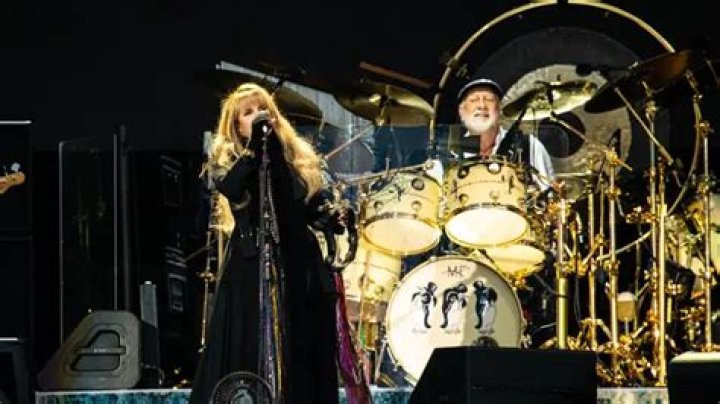
Amazingly, Fleetwood Mac's 1975 folk ballad "Landslide" off their self-titled album wasn't really much of a hit when it debuted. However, through copious covers and the amazing live version from 1997's The Dance concert, the song has become a treasured jewel among the best Fleetwood Mac songs. Penned by Nicks before she joined Fleetwood Mac, the song is a contemplative look at her life as a professional musician, and it has only gotten more powerful as the singer/songwriter has grown older just as the lyrics forewarned.
4 "Dreams" (1977)
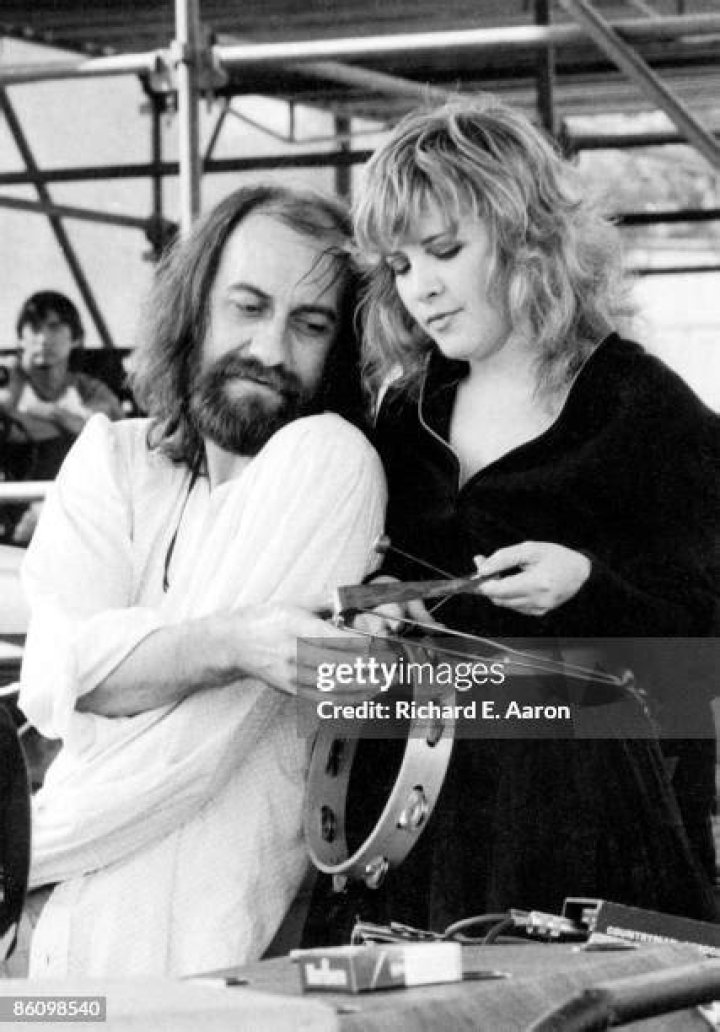
"Dreams" was undoubtedly a hit back in 1977 when it was released as part of Rumors, but it is one of the many Fleetwood Mac songs that has continued to grow in popularity with each new generation of listeners. A bluesy and bass-heavy groove, the song uses the rhythm section as the counterbalance to Nicks' one-of-a-kind vocals and keeps the song moving at a nice clip. "Dreams" became a popular hit on TikTok, and it still keeps audiences tapping their toes all these years later.
3 "Don't Stop" (1977)
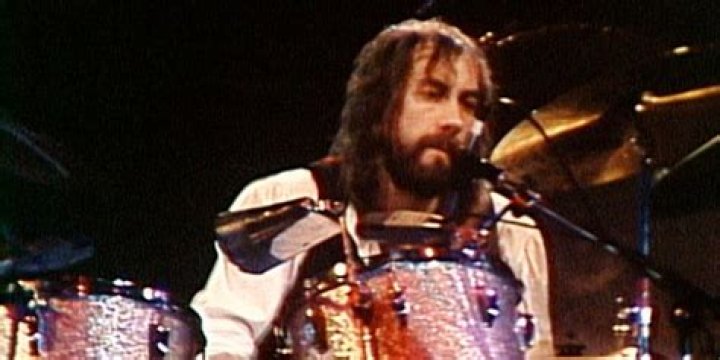
Among an album stuffed with moody songs of deteriorating love, Fleetwood Mac's "Don't Stop" added a bit of pep to their album Rumors back in 1977. Helmed by Christine McVie's piano work and John McVie's bass, Lindsay Buckingham provides his energetic vocals to the upbeat anthem, and it offers a nice respite from the doom and gloom. "Don't Stop" was one of many hits off the Grammy-winning album, and it showed that Fleetwood Mac could make any emotional tone sound great.
2 "Go Your Own Way" (1977)
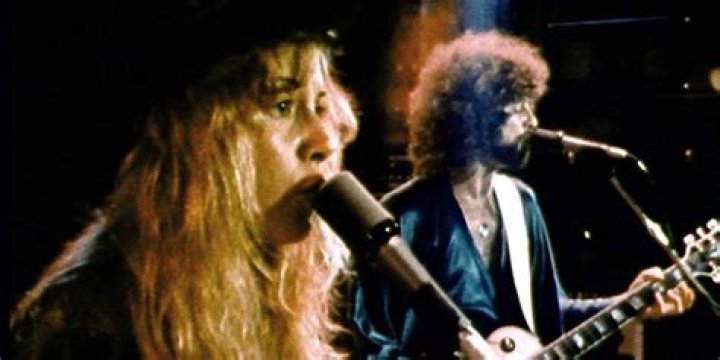
If ever a song defined Fleetwood Mac, it was their 1977 hit "Go Your Own Way" off of Rumors. Bursting with energy from the outset, Buckingham plays his chunking electric guitar off of his heavy acoustic strum, and his lead vocals were just the sort of rock sound the band needed to sell out arenas. Supported by a veritable cacophony of amazing harmonies, the song is an angry love song about breaking up that would be the lasting legacy of the group even five decades later.
1 "The Chain" (1977)
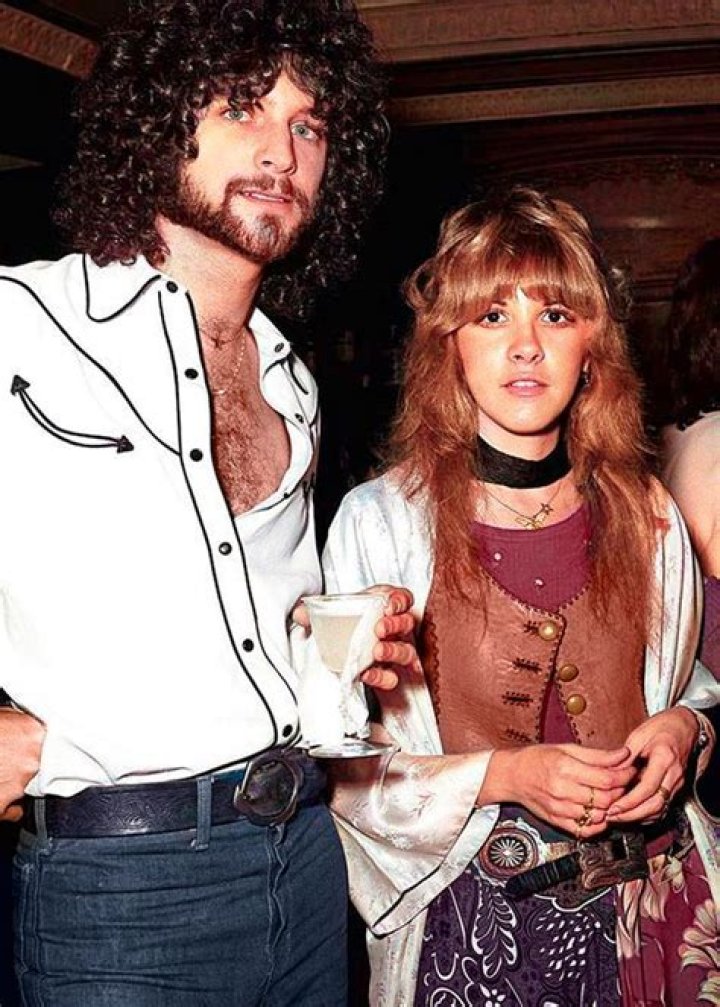
With the possibility of season 2 of Daisy Jones & The Six on the horizon, it has become abundantly clear that the drama of Fleetwood Mac was always one of their biggest selling points. "The Chain" from Rumors, is that drama personified in song, and it still resonates as the group's calling card. From the stunning vocals to Mick Fleetwood's driving drum beat, the song captures the sensuality of rock music with Fleetwood Mac's signature brand of love-gone-wrong storytelling that hasn't been matched in song since.