Harriet tells the heroic true story of Harriet Tubman, who helped free dozens of slaves along the Underground Railroad — but how much of it is true?

Summary
- Harriet beautifully portrays the historical figure of Harriet Tubman, showcasing her heroic actions and determination to free slaves during the American Civil War.
- While the film takes creative liberties, it stays close to Tubman's true story, accurately depicting her upbringing in slavery, her head injury that led to her visions, and her escape to freedom.
- Harriet accurately portrays Tubman's role as a conductor on the Underground Railroad, her ventures to Maryland to rescue slaves, and her involvement in the Combahee River Raid as a nurse, spy, and scout for the Union Army.
Harriet tells the true story of abolitionist and Underground Railroad conductor Harriet Tubman, but how much did the film get right about this remarkable figure? Directed and co-written by Kasi Lemmons (with fellow co-writer Gregory Allen Howard), Harriet stars Cynthia Erivo in the titular role, headlining a cast that also includes Hamilton star Leslie Odom Jr., Janelle Monáe, Joe Alwyn, and Clarke Peters. This crew of exceptional talent came together to bring Tubman's extraordinary life and deeds to the screen. Still, like all biopics, creative liberties were necessary to fill in the cracks of the true story.
The story of Araminta Ross, later called Harriet Tubman, is one that took far too long to be adapted to the screen. However, the time it took to begin filming Harriet was entirely worth it, as the film did beautiful justice to the historical figure and her works to free slaves leading up to and during the American Civil War. Lemmons' direction ensured a respectful and masterful film, portraying Tubman as the superhero she truly was. Erivo's efforts to bring the characters' anguish and determination to Harriet earned her Academy Award nominations. Of course, the story told in the film is not precisely how Tubman's story has been recorded, but it's very close.
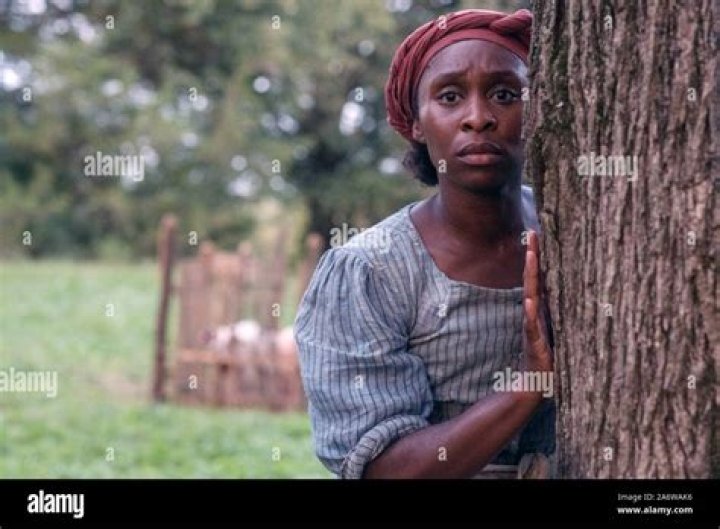
Harriet Cast & Real-Life Character Comparison Guide
Harriet's talented ensemble cast brings to life both real-life figures and composite characters for a dramatization of Harriet Tubman's story.The Real Harriet Tubman's Upbringing In Slavery Explained
As seen in Harriet, Tubman grew up on a plantation in Dorchester County, Maryland, where she was born Araminta "Minty" Ross. Despite what the film suggests, the name "Harriet" didn't come to her as a tangible acknowledgment of her freedom. Instead, Tubman took her mother's name, Harriet, upon marrying her husband, John (portrayed in the film by Zackary Momoh). There is no definitive reason recorded in history for this change, so Harriet's decision to make it her "freed name" served as an effective creative decision on the part of Lemmons.
The exact year of Tubman's birth is unknown, but it's estimated to be around 1822
It's seen early on in Harriet that Tubman suffered from frequent spells, which she described as visions from God. Just as in the film, these spells, believed now to have been seizures, came as a result of a head trauma suffered by Tubman when she was hit in the head by a weight that had been thrown at another slave by an overseer. By Tubman's own account, she owed her survival, and that of the people she led to freedom, to the visions she received during these episodes. Though the story told by Erivo's Tubman in Harriet about receiving the injury while trying to protect her brother is false, the consequences of the injury were much the same.
Harriet Tubman's Real Escape Differed From The Movie
In Harriet, Minty and John hire a lawyer to investigate the will left behind by the great-grandfather of her owner, Edward Brodess, who supposedly claimed that the day Minty's mother turned 45, she and her children would be set free; a claim Brodess tears up in his slaves' faces. In reality, while Tubman did hire a lawyer to investigate the will, the document stipulated that Harriet and her siblings would be set free when they themselves turned 45 — not at the same time as their mother. Regardless, Brodess refused to honor this will, just as was seen in Harriet.
In real life and the movie, Edward Brodess died shortly after refusing to free Harriet Ross, sparking Minty's escape into action. In the film, Brodess' son Gideon (played by Conversation with Friends' Alwyn) caught Minty praying for Edward's death, and when the prophecy appeared to have come true, Gideon decided to put her up for sale. While Minty really did pray for the death of her master, Gideon was conceived for the dramatic and narrative purposes of the movie. Tubman was likely put up for sale due to the financial bind the plantation owners were put in after Brodess' death.
Soon after realizing the possibility of being involuntarily sold away from her family—as three of her sisters were long before—Harriet decided to leave them voluntarily in a plight for freedom. Though never mentioned in Harriet, history dictates that Tubman and her two brothers first attempted to escape together. However, one of her brothers changed his mind about leaving his wife and children behind, and Tubman was forced to return with them.
Still determined to escape, Tubman decided to set out on her own. As seen in Harriet, Tubman sought the help of local Black preacher Reverend Samuel Green. However, her journey going forward was significantly different from that of the film. There is no record of the events on the bridge, and much of her 100-mile journey was spent in covered wagons with the help of a series of abolitionists from one point to the next. However, Tubman's arrival to Pennsylvania in Harriet, with her arms stretched in front of her as she experienced her first touch of freedom, is just as described in the woman's first-hand account.
Harriet Tubman As A Conductor On The Underground Railroad
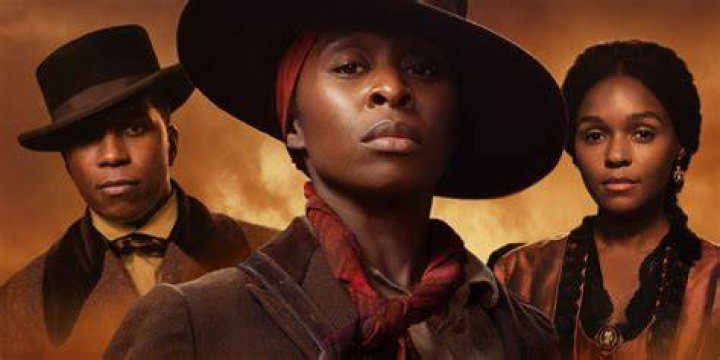
Once in Philadelphia, Harriet is directed to the Black abolitionist and Underground Railroad conductor William Still (played in Harriet by Odom Jr.). Just as he had in the film, Still really did keep detailed records of practically every escaped slave he had encountered (he would eventually publish them as The Underground Railroad Records). However, because Still destroyed many of his notes before the Civil War—more than likely out of fear of retaliation brought on by the Fugitive Slave Act—there is no proof that Still greeted Tubman upon her arrival to Philadelphia, though there are notes that indicate the two worked very closely together.
The Harriet character of Marie Buchanon (Monáe), a free Black woman and business owner who taught Tubman how to live as a free woman herself, was entirely fictional. Even so, Harriet Tubman's life in Philadelphia was distracted, if not unhappy. With the rest of her family stuck in Maryland, she felt like "a stranger in a strange land." So, not long after making it to Philadelphia, Tubman decided to venture back to the hostile land she had just escaped from to extract her loved ones. According to history, Tubman returned to her family first and only tried to get her husband, John, later, but, having remarried, he decided to stay.
Tubman became a regular conductor on the Underground Railroad. Between 1850 and 1860, armed with a gun, she made 13 ventures to Maryland, helping over 70 people reach freedom. As seen in Harriet, because of the financial distress she brought to her former homeland, a bounty was placed on the escaped slave called "Moses." The slave catcher in Harriet, Bigger Long (Omar Dorsey) was not a real person in history, though the character represented the Black slave catchers who did exist in the 19th century South.
Harriet Tubman During & After The American Civil War
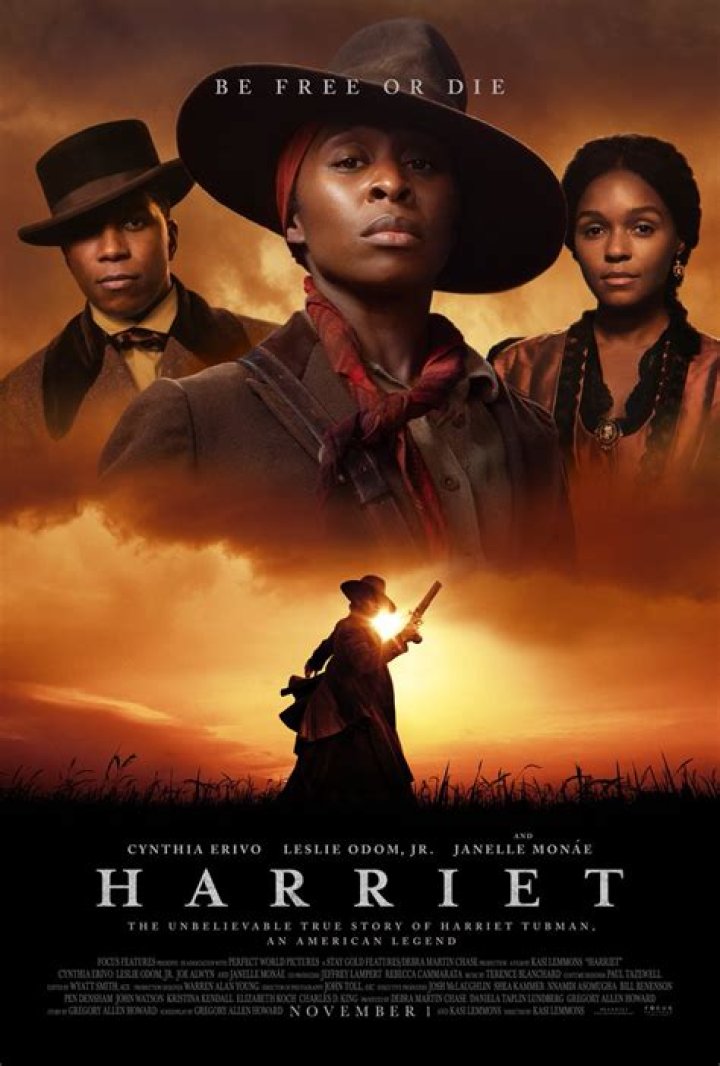
At the very end of Harriet, the audience sees the titular hero at the forefront of an all-Black Union battalion, preparing them to take part in the Combahee River Raid. During this, Tubman, who was also a nurse, spy, and scout for the Union Army, helped destroy Confederate supply lines and rescued about 700 fugitive slaves. This, like most of the film, is accurate—as is the postscript, which describes Harriet Tubman as the first woman in history to lead an armed military raid.
The film's final moments included a summary of Tubman's life after the Civil War, which was all historically accurate. Along with her family, the legendary figure continued to call Auburn, New York, home. Tubman continued to be an activist for Black and women's rights, and, however unlikely, she lived a long life and died at the age of 91 surrounded by her loved ones. As described in Harriet, Tubman's final words were "I go to prepare a place for you," just as she had prepared their lives of freedom.
-
Harriet
- Summary:
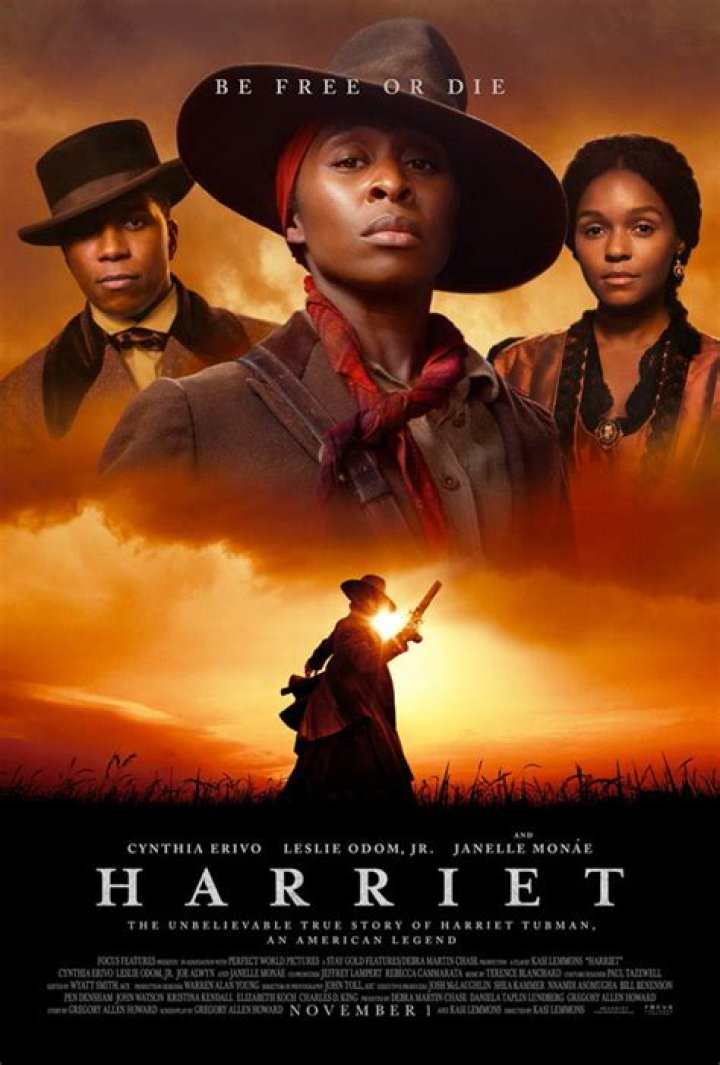
- A film about the life of Harriet Tubman, who escaped from slavery in the U.S. South and became a Freedom Fighter who led hundreds of enslaved people to freedom through the Underground Railroad.Focus Features came aboard as the movie's distributor in September 2018. Production began in Virginia the following October and lasted through to December.Watch the Harriet Trailer
- Release Date:
- 2019-11-01
- Cast:
- Joe Alwyn, Tory Kittles, Vondie Curtis-Hall, Cynthia Erivo, Vanessa Bell Calloway, Antonio J. Bell, Deborah Ayorinde, Leslie Odom Jr., Jennifer Nettles, Tim Guinee, Zackary Momoh, Janelle Monae, Omar Dorsey, Clarke Peters, Henry Hunter Hall
- Director:
- Kasi Lemmons
- Genres:
- History, Biography, Drama
- Rating:
- PG-13
- Runtime:
- 125 minutes
- Writers:
- Gregory Allen Howard, Kasi Lemmons
- Budget:
- $17milllion
- Studio(s):
- Focus Features
- Distributor(s):
- Focus Features