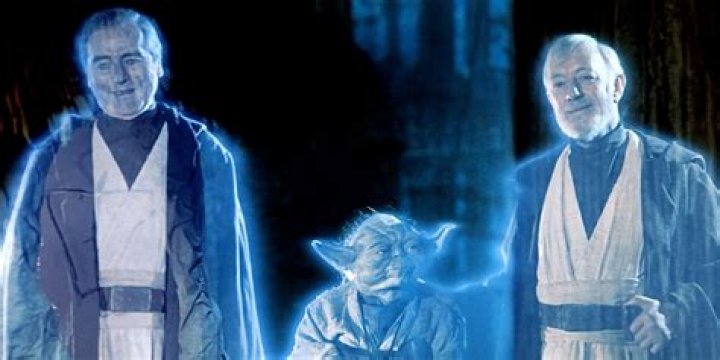
George Lucas controversially changed Return of the Jedi's ending so Hayden Christensen replaced Sebastian Shaw as Anakin's Force ghost. Here's why.
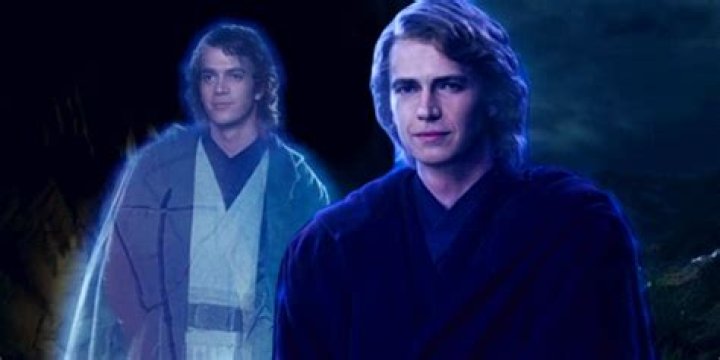
Here's why George Lucas changed the original Anakin Force Ghost from Sebastian Shaw to Hayden Christensen in Return of the Jedi. Lucas has made many changes to the original Star Wars trilogy over the years, with mixed results. Hayden Christensen's cameo as Anakin's Force Ghost during the Rebel Alliances' celebration on Endor is one of the more controversial Star Wars special edition alterations, and it's pertinent to ask why Anakin's Force Ghost is young. In both Return of the Jedi’s 1983 theatrical cut and the 1997 special edition, Sebastian Shaw's version of Anakin's Force Ghost is seen accompanying Obi-Wan and Yoda, watching over Luke as he reflects on his journey. The implication is that Luke is seeing his father and mentors as he remembered them, or the age they were when they died. Indeed, when Luke finally met Anakin, Anakin was an older man.
For the 2004 DVD release of the original Star Wars trilogy, Lucas changed Return of the Jedi's ending so that instead of Shaw, Anakin Skywalker’s Force Ghost was played by Hayden Christensen. The move drew angered audiences, particularly since the DVD set came out during the height of prequel backlash and criticisms against Christensen's performance in Attack of the Clones. For many, this was an unnecessary change. However, here is Lucas' explanation for why Anakin Skywalker's Force Ghost is young, how it affects the future of Hayden Christensen's Darth Vader, and what it means for how Star Wars Force Ghost work.
Why Did Anakin's Force Ghost Change?
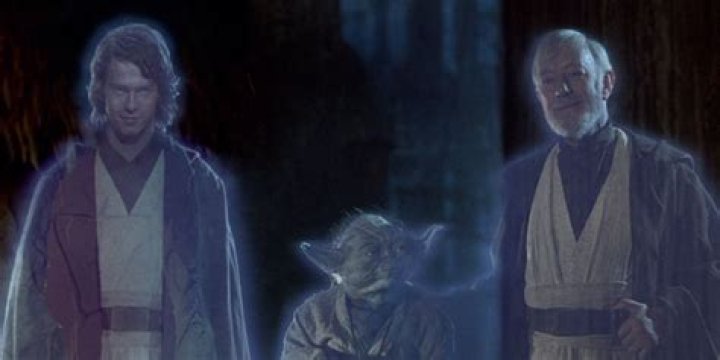
In an event where George Lucas and Hayden Christensen interviewed each other and answered fan queries, Lucas explained that the reason why Anakin's Force Ghost is young is that he metaphorically died after becoming Vader — an idea reinforced by Darth Vader himself during Obi-Wan Kenobi. This was a notable revelation on how Force Ghosts in Star Wars work. When Anakin was redeemed upon saving Luke in Return of the Jedi, his "inner person would go back to where we left it off." Additionally, Lucas thought replacing the original Anakin Force Ghost with Christensen would help to connect the prequels and originals, bringing it full circle.
Though Vader turned back to the light and defeated the Emperor in Return of the Jedi, which means that Sebastian Shaw's Anakin Force Ghost should remain intact, Anakin had already been consumed by the Dark Side at that point. Rather than Vader, who has already committed numerous atrocities for Palpatine, Hayden Christensen's Anakin Force Ghost is modeled on the heroic Jedi Knight who fought in the Clone Wars. Although there were times Anakin tapped into the Dark Side to get the upper hand, he wasn't fully corrupted until Revenge of the Sith. This is why his Force Ghost in Return of the Jedi resembles the person he was before Palpatine twisted him. Lucas' reasoning also clarifies why Anakin's Force Ghost is young in Return of the Jedi, while Obi-Wan and Yoda are older. The latter two never turned to the Dark Side, so they don't have a point to "go back to where we left it off" like Anakin.
Whether audiences agree with this explanation for why Anakin's Force Ghost is young, these are the Force Ghost rules from George Lucas himself. In the sequel trilogy, Christensen returned for a voiceover cameo as one of the Jedi Rey heard in The Rise of Skywalker, further cementing Lucas' polarizing change to Return of the Jedi. Meanwhile, it's important to note Christensen also played Darth Vader as part of Obi-Wan Kenobi 'scast. Sebastian Shaw's version will always have a special place in the hearts of those who grew up with the original Star Wars trilogy, but Christensen is now synonymous with Anakin.
Who Was Sebastian Shaw, The Original Anakin Force Ghost?

Sebastian Shaw was the first actor to portray Anakin Skywalker as the unmasked and redeemed Darth Vader in Return of the Jedi, but prior to playing one of science fiction's most iconic villains, Shaw was already a highly accomplished stage and film actor. In addition to being a legend in British theater as an accomplished Thespian, and having a film career that goes back to the 1930s, Shaw was also a novelist. Initially kept in the dark about his character's true significance, Shaw was surprised to gain so many adoring young fans following Return of the Jedi's release.
Indeed, Shaw's appearance in Return of the Jedi was a historic moment that essentially laid the groundwork for all other versions of the character, especially Hayden Christensen's Anakin Skywalker/Darth Vader. That said, given Sebastian Shaw's professional achievements, and the fact that he's still in Return of the Jedi as unmasked Vader, Christensen replacing him as the original Anakin Force Ghost wasn't that much of a loss for the actor himself, and in no way dented his wider legacy.
Who Voices Darth Vader In Obi-Wan Kenobi?
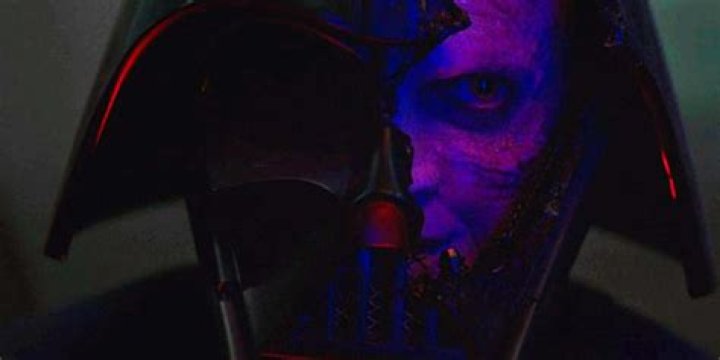
In order to bring a young, pre-original-trilogy Darth Vader to life in Obi-Wan Kenobi, the show combined Christensen's onscreen performance with the iconic voice of James Earl Jones — Vader's original voice actor. Where George Lucas' replacement of Sebastian Shaw's likeness with the new Anakin wasn't well-received because of the canon explanation, Obi-Wan Kenobi embraced both old and new aspects of Vader to bring life to the character, allowing Christensen to redeem himself a little in the eyes of those who hated the prequels.
Combining Jones' and Christensen's performances to create young Vader at an earlier point in the Star Wars canon timeline was the best possible creative choice for the character. Alongside the various Obi-Wan Kenobi Easter eggs and Christensen's performance as Anakin's Force Ghost in Return of the Jedi, Obi-Wan Kenobi's Darth Vader further supports Lucas' vision of having more direct connections across canonical Star Wars media. Moreover, all this could mean that Obi-Wan Kenobi isn't the last that viewers will see of James Earl Jones and Hayden Christensen's collaborative Darth Vader.
Other Controversial Changes In The Star Wars Remasters
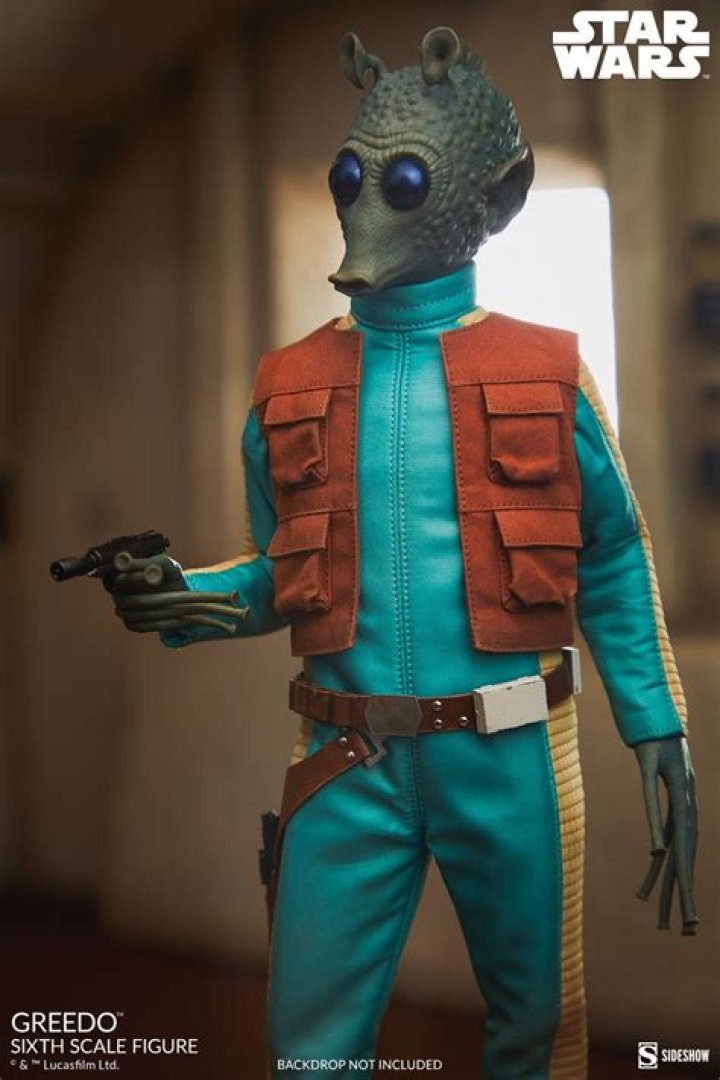
Replacing Sebastian Shaw with Hayden Christensen in Return of the Jedi isn’t the only change to the original Star Wars trilogy that divided fans. Perhaps the most infamous and egregious is Han shooting Greedo first in the first Star Wars film, retroactively titled A New Hope (something that Lucasfilm has largely backtracked on in subsequent re-edits over the years). Other misguided changes include an embarrassing musical number, “Jedi Rocks," in Jabba’s palace, an unconvincing CGI Jabba talking with Han in A New Hope, and Vader screaming “Nooo!” when dispatching the Emperor. These inclusions aren't just distracting — they sometimes change character traits and details that harm the original story. Still, not every change Lucas made to the original Star Wars trilogy was harmful. Some of the subtler updated effects (such as the compositing in the Rancor scene or adding windows to Cloud City in The Empire Strikes Back) have worked beautifully. In fact, John Williams' rewritten score for Return of the Jedi’s victory celebration is a vast improvement from “Yub Nub.”